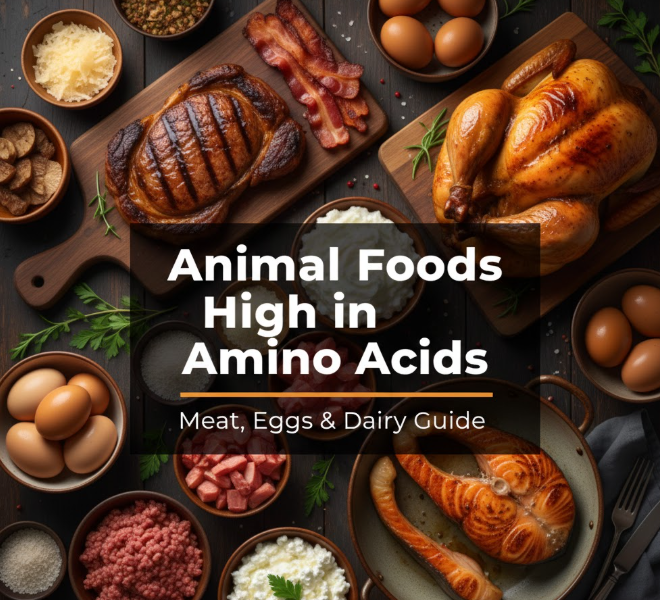
Animal Foods High in Amino Acids
Amino acids are the building blocks of proteins, and they play a vital role in almost every process in the human body. From repairing tissues to supporting muscle growth and boosting immunity, these tiny molecules are essential for overall health. While plant-based foods can provide amino acids, animal foods are considered “complete proteins,” meaning they contain all nine essential amino acids your body cannot produce on its own. In this article, we’ll explore the best animal sources of amino acids and how they can benefit your health. 🥩🍳
Eggs – The Perfect Protein Package
Eggs are often called the gold standard of protein. A single large egg contains about 6 grams of protein and all essential amino acids. They are particularly high in leucine, an amino acid that plays a key role in muscle growth and repair. The white part is almost pure protein, while the yolk contains healthy fats and additional nutrients like choline and vitamin D.
💡 Tip: Eating boiled or poached eggs preserves most amino acids, while frying at high temperatures may slightly reduce some.
Chicken – Lean and Amino-Rich
Chicken breast is one of the leanest animal proteins you can find. A 100-gram serving provides around 31 grams of protein and is rich in essential amino acids like lysine and valine. These amino acids help in muscle recovery and energy production. Chicken is versatile and easy to include in your diet, whether grilled, baked, or roasted.
Beef – Muscle Builder
Beef is packed with high-quality protein and amino acids such as leucine, isoleucine, and valine (collectively called BCAAs – Branched-Chain Amino Acids). These amino acids are crucial for muscle repair and strength. In addition to protein, beef also provides iron, zinc, and vitamin B12, which are important for red blood cell production and immune health.
🥩 Pro Tip: Choose lean cuts like sirloin or tenderloin to get amino acids without excessive saturated fats.
Fish – Heart-Healthy Protein
Fish is another excellent source of complete protein. Fatty fish like salmon, mackerel, and sardines are not only rich in amino acids but also packed with omega-3 fatty acids, which support heart and brain health. White fish, like cod and haddock, offer high protein with low fat content.
🐟 Fun Fact: A 100-gram serving of salmon provides about 20 grams of protein and all essential amino acids. It’s an ideal post-workout meal.
Dairy Products – Amino Acids with Calcium
Milk, cheese, and yogurt are rich in amino acids, particularly leucine, lysine, and methionine. Whey protein, derived from milk, is highly bioavailable, meaning your body can absorb and use it efficiently. Dairy also supplies calcium and vitamin D, supporting bone health.
🥛 Tip: Greek yogurt is a great option for extra protein and amino acids while keeping sugar content low.
Pork – Protein for Growth
Pork is often underestimated, but it’s a strong source of essential amino acids. Pork loin and tenderloin are lean cuts high in protein, lysine, and threonine, which support tissue repair and immune function.
Shellfish – Tiny but Mighty
Shellfish like shrimp, crab, and lobster are protein-dense and provide all essential amino acids. They are also low in fat and rich in micronutrients like zinc and selenium, which are vital for immune function and antioxidant defenses.
Organ Meats – Nutrient Powerhouses
Organ meats like liver and kidney are sometimes overlooked but are extremely nutrient-rich. They contain high-quality protein and a full spectrum of amino acids, along with vitamins A, B12, and minerals like iron and copper. A small portion goes a long way in boosting your amino acid intake.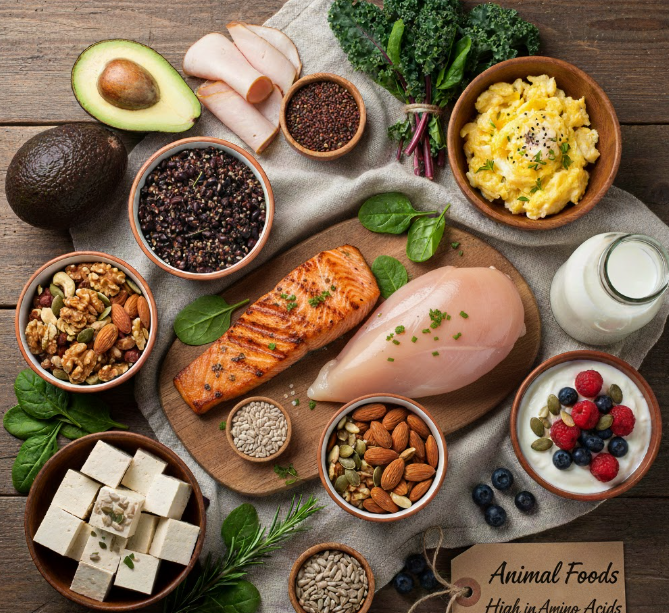
Protein Table of Common Animal Foods
| Food | Serving Size | Protein (g) | Key Amino Acids | Special Benefits |
|---|---|---|---|---|
| Egg | 1 large | 6 | Leucine, Lysine | Muscle growth, brain health |
| Chicken Breast | 100 g | 31 | Lysine, Valine | Muscle repair, lean protein |
| Beef (Sirloin) | 100 g | 26 | Leucine, Isoleucine, Valine | Strength, B12, iron |
| Salmon | 100 g | 20 | Leucine, Methionine | Omega-3, heart health |
| Milk | 1 cup | 8 | Leucine, Lysine, Methionine | Bones, muscle recovery |
| Greek Yogurt | 170 g | 15 | Leucine, Lysine | Protein-dense, low sugar |
| Pork Loin | 100 g | 27 | Lysine, Threonine | Tissue repair, immune support |
| Shrimp | 100 g | 24 | Leucine, Lysine | Low fat, zinc-rich |
| Liver | 100 g | 20 | Leucine, Methionine | Vitamins A, B12, iron |
Why Amino Acids from Animal Foods Are Important
Animal foods provide complete proteins, which plant foods often lack unless carefully combined. This is crucial for:
-
Muscle Growth: Amino acids, especially BCAAs, stimulate muscle protein synthesis. 💪
-
Tissue Repair: Injuries, surgery, and daily wear-and-tear require amino acids for healing.
-
Immune Function: Lysine and arginine support antibody production.
-
Hormone Production: Amino acids help produce insulin, growth hormones, and neurotransmitters.
Tips to Maximize Amino Acid Intake
-
Combine different animal proteins throughout the week to cover all essential amino acids.
-
Include eggs or dairy in breakfast for a protein-rich start.
-
Opt for lean meats to reduce saturated fat while keeping amino acids high.
-
Pair protein sources with vegetables to add fiber and antioxidants.
FAQs About Animal Foods and Amino Acids
Q: Can I get all essential amino acids from plant foods?
A: It’s possible but harder. You need to combine foods like beans and rice. Animal foods naturally provide all essential amino acids in one serving.
Q: Are amino acids from meat better than from dairy or eggs?
A: They are all high-quality, but absorption can vary. Whey protein from dairy is absorbed very quickly, while meat provides a slower, sustained release.
Q: How much protein should I eat daily?
A: It depends on your activity level and goals. Generally, 0.8–1 g per kg of body weight for adults is enough, but athletes may need 1.2–2 g per kg.
Q: Is it safe to eat high amounts of animal protein?
A: For most healthy people, moderate consumption is safe. Overeating protein without enough water or fiber can strain kidneys, so balance is key.
Conclusion
Animal foods are a convenient and powerful source of amino acids. From eggs and chicken to fish and organ meats, each provides unique benefits that support muscle, immunity, and overall health. Incorporating a variety of these foods ensures you get all essential amino acids without complicated planning. 🥚🥩🐟🥛
Eating protein-rich animal foods in balanced portions, along with fruits, vegetables, and whole grains, can optimize your health while making your meals delicious and satisfying. Remember, it’s not just about quantity, but the quality of amino acids you consume daily.