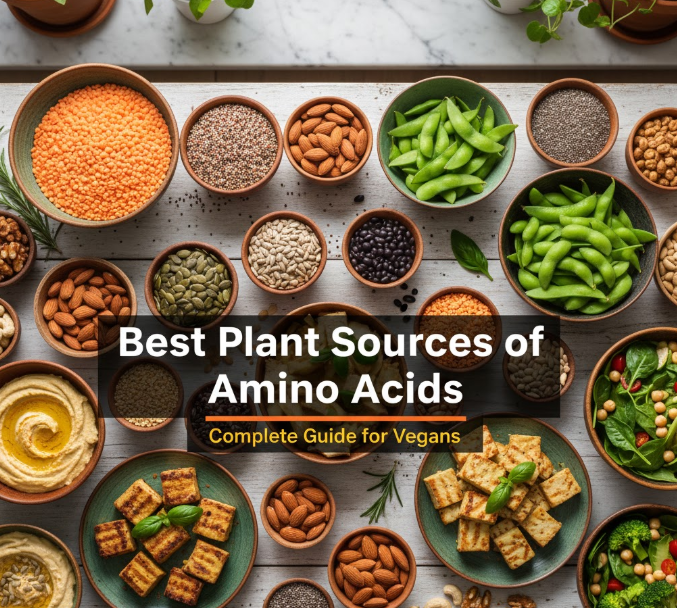
Amino acids are the building blocks of protein, essential for your body’s growth, repair, and overall health. While many people associate amino acids with meat and dairy, plants can also provide a rich source of these vital nutrients. 🌱 Whether you are vegan, vegetarian, or just trying to eat healthier, knowing which plant foods are high in amino acids is key to maintaining balanced nutrition.
Why Amino Acids Matter
Amino acids are critical for a variety of body functions. They help build muscles, repair tissues, support the immune system, and even regulate hormones. There are 20 amino acids your body needs, and 9 of them are essential — meaning your body cannot produce them, and you must get them from food. Plant sources can supply these essential amino acids if consumed correctly.
Legumes: Powerhouses of Protein
Legumes, like lentils, chickpeas, black beans, and kidney beans, are excellent sources of amino acids. They are rich in lysine, which is often limited in grains. Combining legumes with grains, like rice or whole wheat, provides a complete protein profile, giving your body all essential amino acids.
-
Lentils: High in lysine, folate, and fiber.
-
Chickpeas: Rich in lysine and tryptophan, perfect for snacks or hummus.
-
Black beans: Excellent for lysine and iron.
-
Kidney beans: Contain a balanced set of essential amino acids.
Quinoa: A Complete Plant Protein
Quinoa is one of the rare plant foods that offer all nine essential amino acids in good amounts. 🌾 It’s easy to cook and versatile, making it perfect for salads, soups, or as a rice substitute. Its complete protein makes it especially valuable for vegans who may struggle to combine multiple plant foods to get all essential amino acids.
Nuts and Seeds: Tiny but Mighty
Nuts and seeds are small but packed with amino acids. Almonds, pumpkin seeds, chia seeds, and sunflower seeds are particularly rich. They contain high levels of arginine, an amino acid that supports heart health and blood circulation. Adding a handful of nuts or a sprinkle of seeds to meals can boost protein intake without heavy cooking.
-
Almonds: Rich in leucine, which helps muscle synthesis.
-
Pumpkin seeds: High in tryptophan, supporting serotonin production.
-
Chia seeds: Contain lysine and omega-3 fatty acids.
-
Sunflower seeds: Provide a good balance of essential amino acids.
Soy Products: Versatile and Protein-Rich
Soy is one of the most complete plant-based protein sources. Tofu, tempeh, and edamame are all excellent choices. They provide all essential amino acids, particularly leucine, which is important for muscle health. Soy products are very versatile and can be used in both savory and sweet dishes.
-
Tofu: Mild taste, absorbs flavors easily. Great for stir-fries or smoothies.
-
Tempeh: Fermented and rich in probiotics. Works well in sandwiches or curries.
-
Edamame: Snackable green soybeans, high in protein and fiber.
Whole Grains: Often Underrated
Whole grains like brown rice, oats, barley, and millet contain several essential amino acids. Though usually low in lysine, combining them with legumes creates a complete protein source. Whole grains also provide fiber, B vitamins, and minerals, supporting overall health.
Spirulina: The Superfood
Spirulina, a type of blue-green algae, is a concentrated source of protein and amino acids. 💚 It contains all essential amino acids and is particularly high in methionine and tryptophan. Just a small teaspoon in smoothies or juices can give your diet a powerful amino acid boost.
Vegetables with Surprising Protein Content
Some vegetables contain notable amounts of amino acids. Spinach, broccoli, kale, and peas are surprisingly good sources. While vegetables alone may not give you all essential amino acids, they can significantly contribute to your daily intake when combined with other plant foods.
Combining Plant Foods for Complete Proteins
One challenge with plant-based diets is that many individual foods don’t contain all essential amino acids. But don’t worry — combining foods strategically can solve this problem. 🌟
-
Rice + Beans: Completes lysine and methionine profiles.
-
Peanut butter + Whole Wheat Bread: Great for a snack or breakfast.
-
Hummus + Whole Grain Crackers: Delicious and protein-complete.
Tips for Maximizing Amino Acid Intake from Plants
-
Eat a variety: Mix legumes, grains, nuts, seeds, and vegetables daily.
-
Don’t stress over single meals: Your body pools amino acids over the day.
-
Include fermented soy: Tempeh or miso improves amino acid availability.
-
Use seeds and nuts generously: Sprinkle on salads, yogurt, or oats.
-
Consider quinoa or amaranth: They’re rare plant sources of complete protein.
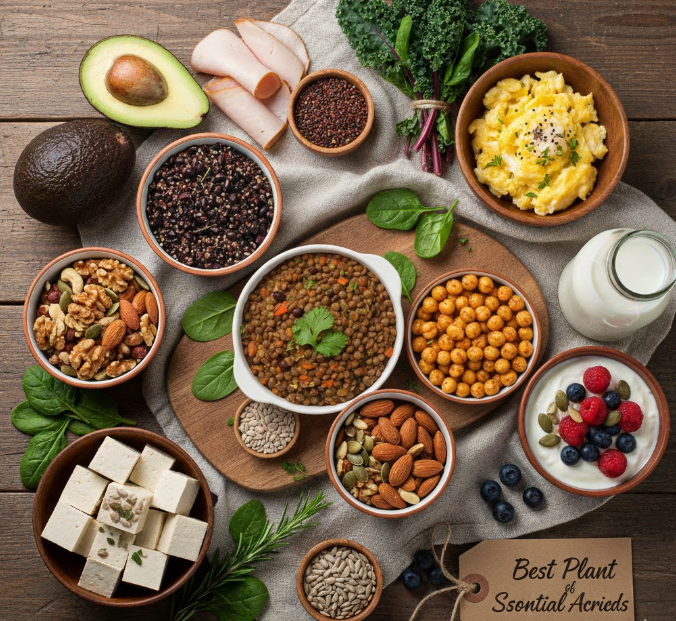
Table: Top Plant Sources of Essential Amino Acids
| Plant Source | Key Amino Acids Present | Protein (per 100g) |
|---|---|---|
| Quinoa | All essential amino acids | 14 g |
| Lentils | Lysine, leucine, valine | 9 g |
| Chickpeas | Lysine, tryptophan | 19 g |
| Tofu | All essential amino acids | 8 g |
| Tempeh | All essential amino acids | 19 g |
| Almonds | Leucine, arginine | 21 g |
| Pumpkin Seeds | Tryptophan, arginine | 19 g |
| Spirulina | All essential amino acids | 57 g |
| Oats | Methionine, lysine | 17 g |
| Green Peas | Lysine, threonine | 5 g |
FAQs
Q1: Can plant foods provide all essential amino acids?
Yes, but most individual plant foods are incomplete. Combining foods like legumes and grains or eating complete proteins like quinoa, soy, or spirulina ensures all essential amino acids.
Q2: Are nuts and seeds enough for protein?
They contribute well to your protein intake but usually cannot provide all essential amino acids alone. They’re best used alongside legumes and grains.
Q3: Do I need to combine foods in every meal?
Not necessarily. Your body can pool amino acids throughout the day, so variety across meals is sufficient.
Q4: Is soy safe for everyone?
For most people, soy is safe and healthy. Those with allergies or thyroid issues should consult a doctor.
Q5: How can vegans get enough amino acids daily?
By eating a combination of legumes, grains, nuts, seeds, and vegetables, vegans can meet all essential amino acid needs. Adding quinoa, soy, or spirulina makes it even easier.
Conclusion
Plant foods are not just fillers—they are powerful sources of amino acids that can support every part of your body. 🥗 By eating a variety of legumes, grains, nuts, seeds, soy products, and vegetables, you can easily get all essential amino acids your body needs. A balanced, colorful plant-based diet is both nutritious and delicious.
Eating smart with plants can keep you strong, energized, and healthy, all while staying environmentally friendly. So next time you think protein, remember — plants have got you covered! 🌿