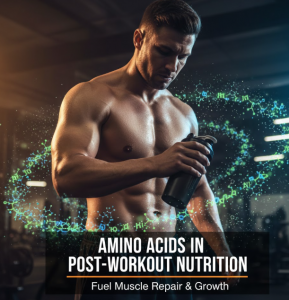
Fitness, strength, and overall wellness are goals shared by millions of people around the world. Some train in gyms, others run outdoors, and many simply want to feel more energetic during their daily routine. While workouts, sleep, and hydration all play major roles in health, nutrition is the true foundation of physical performance and recovery.
Among the many nutrients our bodies need, amino acids stand out as some of the most powerful building blocks for muscle repair, athletic performance, and overall well-being. These small compounds form proteins that help the body rebuild tissue, produce enzymes, support metabolism, and strengthen immunity.
Athletes, bodybuilders, and even casual exercisers often hear about BCAAs, essential amino acids, and protein supplements, but many people still don’t fully understand how amino acids actually improve fitness and health.
This in-depth guide explains:
-
What amino acids are
-
How they support muscle growth and recovery
-
Why they are important for energy and endurance
-
Their role in overall wellness
-
Best food sources and supplementation tips
By the end, you’ll clearly understand how amino acids can transform your workouts, speed up recovery, and improve your overall health.
The Basics: What Amino Acids Actually Are
Amino acids are organic compounds that combine to form proteins, which are essential for nearly every function in the human body.
Think of amino acids as the individual bricks used to build a large house. When these bricks join together, they form proteins that build muscles, repair tissues, regulate hormones, and support many biological processes.
Your body uses amino acids to:
-
Build and repair muscle tissue
-
Produce hormones and enzymes
-
Support immune function
-
Generate energy during exercise
-
Maintain healthy skin, hair, and nails
Scientists have identified 20 different amino acids that combine in various ways to form thousands of proteins used by the body.
Three Main Types of Amino Acids
Not all amino acids are produced the same way. They are grouped into three main categories depending on how the body obtains them.
| Amino Acid Type | Description | Examples |
|---|---|---|
| Essential Amino Acids (EAAs) | Must be obtained from food because the body cannot produce them | Leucine, Isoleucine, Lysine |
| Non-Essential Amino Acids | Produced naturally by the body | Alanine, Asparagine |
| Conditional Amino Acids | Needed more during stress, illness, or intense exercise | Arginine, Glutamine |
For people focused on fitness, essential amino acids are especially important, because they directly support muscle growth and recovery.
Why Amino Acids Matter for Fitness and Performance
During exercise, especially strength training or high-intensity workouts, muscles experience tiny tears in their fibers. This damage is normal and actually necessary for growth.
Amino acids help repair and rebuild those fibers, making muscles stronger, larger, and more resilient.
Without enough amino acids, the body struggles to recover from workouts effectively.
Key Fitness Benefits
Amino acids contribute to athletic performance in several powerful ways:
-
Muscle protein synthesis (building new muscle)
-
Reduced muscle breakdown
-
Improved endurance and stamina
-
Faster recovery after workouts
-
Better energy production
These benefits make amino acids a key part of sports nutrition and exercise science.
Muscle Growth Starts With the Right Amino Acids
One of the most popular reasons people consume amino acids is to increase muscle mass and strength.
When you lift weights or perform resistance training, your body begins a process called muscle protein synthesis.
This process rebuilds damaged muscle fibers using amino acids.
The Most Important Muscle-Building Amino Acids
Some amino acids play a bigger role in muscle development than others.
Branched-Chain Amino Acids (BCAAs)
BCAAs are among the most famous amino acids in the fitness world.
They include:
-
Leucine
-
Isoleucine
-
Valine
These three amino acids make up about 35% of muscle protein.
Their benefits include:
-
Stimulating muscle growth
-
Preventing muscle breakdown
-
Reducing exercise fatigue
-
Supporting recovery
Among them, leucine is considered the most powerful trigger for muscle protein synthesis.
Muscle Growth Process Explained
Here’s a simplified look at how amino acids build muscle:
-
Exercise creates micro-tears in muscle fibers
-
The body signals repair processes
-
Amino acids are delivered to muscle tissue
-
Muscle protein synthesis begins
-
Fibers rebuild stronger and thicker
This cycle repeats every time you train.
Amino Acids and Faster Muscle Recovery
Muscle soreness after exercise, known as Delayed Onset Muscle Soreness (DOMS), often appears 24–48 hours after intense workouts.
Amino acids help reduce this soreness by speeding up muscle repair and reducing inflammation.
Recovery Benefits
Athletes who consume enough amino acids often experience:
-
Less muscle soreness
-
Faster recovery between workouts
-
Reduced fatigue
-
Improved training consistency
This is especially important for:
-
Weightlifters
-
Runners
-
CrossFit athletes
-
High-intensity trainers
Recovery Comparison Chart
| Nutrient | Muscle Repair | Recovery Speed | Fatigue Reduction |
|---|---|---|---|
| Carbohydrates | Moderate | Medium | Medium |
| Protein | High | High | Medium |
| Amino Acids | Very High | Very High | High |
Amino acids work faster than whole proteins because they are already broken down into absorbable components.
Energy, Endurance, and Workout Stamina
Amino acids are not only important for muscle growth—they also help your body produce energy during exercise.
When glycogen (stored carbohydrates) begins to run low during long workouts, the body may use certain amino acids as an alternative energy source.
Key Amino Acids for Energy
Several amino acids support endurance and stamina.
| Amino Acid | Performance Benefit |
|---|---|
| Isoleucine | Helps muscles absorb glucose for energy |
| Valine | Supports endurance and reduces fatigue |
| Glutamine | Maintains energy balance during stress |
| Arginine | Improves blood flow and oxygen delivery |
These functions help athletes train longer without feeling exhausted.
Amino Acids and Reduced Workout Fatigue
Fatigue during exercise is partly caused by a chemical in the brain called serotonin.
Interestingly, BCAAs can reduce fatigue by limiting the production of serotonin during exercise.
This means:
-
Less perceived effort
-
Longer workout sessions
-
Better endurance performance
Many endurance athletes consume BCAA drinks during long training sessions for this reason.
The Hidden Wellness Benefits of Amino Acids
While amino acids are often linked to bodybuilding, they also play a major role in general health and wellness.
These compounds support several important body systems.
1. Stronger Immune System
Amino acids like glutamine and arginine help immune cells function properly.
Benefits include:
-
Better defense against infections
-
Faster healing after illness
-
Reduced inflammation
2. Brain Health and Mood Support
Certain amino acids are used to create neurotransmitters in the brain.
Examples include:
| Amino Acid | Brain Function |
|---|---|
| Tryptophan | Produces serotonin (improves mood) |
| Tyrosine | Produces dopamine (focus and motivation) |
| Glutamate | Supports learning and memory |
This means amino acids can indirectly help with:
-
Stress management
-
Mental clarity
-
Emotional balance
3. Healthy Skin, Hair, and Nails
Proteins such as collagen and keratin depend heavily on amino acids.
Benefits include:
-
Stronger hair
-
Healthier skin
-
Faster wound healing
-
Improved nail strength
Natural Foods Rich in Amino Acids
While supplements are popular, whole foods remain the best source of amino acids.
Here are some of the most powerful dietary sources.
High-Protein Animal Foods
| Food | Amino Acid Content |
|---|---|
| Eggs | Complete protein with all essential amino acids |
| Chicken breast | High leucine content |
| Fish | Rich in multiple EAAs |
| Lean beef | Supports muscle repair |
| Dairy products | Great for recovery |
These foods contain complete proteins, meaning they provide all essential amino acids.
Plant-Based Amino Acid Sources
Plant-based diets can also supply amino acids when foods are combined properly.
Good options include:
-
Lentils
-
Chickpeas
-
Quinoa
-
Soy products
-
Beans
-
Nuts and seeds
For example:
Rice + beans together create a complete amino acid profile.
Amino Acid Supplements: Are They Necessary?
Many people wonder whether they should take BCAA or amino acid supplements.
The answer depends on several factors:
-
Training intensity
-
Daily protein intake
-
Fitness goals
When Supplements May Help
Amino acid supplements can be useful for:
-
Athletes training intensely
-
People with low protein diets
-
Those cutting calories for fat loss
-
Endurance athletes
Popular Amino Acid Supplements
| Supplement Type | Purpose |
|---|---|
| BCAA Powder | Muscle recovery and endurance |
| EAA Blends | Complete muscle support |
| Glutamine | Recovery and immune health |
| Arginine | Blood flow and endurance |
However, most people can get enough amino acids through a balanced diet.
Best Times to Consume Amino Acids
Timing can influence how effectively amino acids support muscle growth and recovery.
Ideal Timing Strategy
Before workouts
-
Helps reduce muscle breakdown
During workouts
-
Supports endurance and hydration
After workouts
-
Maximizes muscle recovery and protein synthesis
Example Daily Timing Plan
| Time | Amino Acid Benefit |
|---|---|
| Morning | Supports metabolism |
| Pre-Workout | Prevents muscle breakdown |
| Post-Workout | Accelerates recovery |
| Before Bed | Helps overnight muscle repair |
Signs Your Body May Need More Amino Acids
Amino acid deficiencies are uncommon but can happen, especially with poor nutrition.
Possible signs include:
-
Frequent muscle soreness
-
Slow workout recovery
-
Low energy levels
-
Hair thinning
-
Weakened immunity
-
Difficulty building muscle
If these symptoms appear, improving protein intake and diet quality can often help.
Fitness Goals That Benefit Most From Amino Acids
Amino acids support nearly every fitness goal.
Muscle Building
They trigger muscle protein synthesis and growth.
Fat Loss
Amino acids help preserve muscle during calorie deficits.
Endurance Training
They support energy production and reduce fatigue.
General Health
They strengthen immunity, skin health, and metabolic function.
Simple Infographic: Amino Acid Benefits Overview
Muscle Growth
↓
Muscle Repair
↓
Reduced Soreness
↓
More Energy
↓
Better Endurance
↓
Stronger Immunity
↓
Improved Overall Wellness
Tips for Maximizing Amino Acid Benefits
To get the most from amino acids, follow these strategies.
1. Eat Enough Protein Daily
Most active people benefit from:
1.2–2.0 grams of protein per kilogram of body weight
2. Combine Different Protein Sources
Especially important for plant-based diets.
3. Stay Hydrated
Water helps transport amino acids to muscle tissues.
4. Prioritize Post-Workout Nutrition
This is when muscles are most ready to absorb amino acids.
5. Get Quality Sleep
Muscle repair happens mainly during deep sleep cycles.
Final Thoughts: Amino Acids Are the Backbone of Fitness and Health
Amino acids may be tiny molecules, but their impact on the body is enormous. They serve as the building blocks of protein, repair damaged muscles, support energy production, and help the body adapt to physical stress.
For athletes and fitness enthusiasts, amino acids are essential for muscle growth, faster recovery, and improved endurance. For everyday health, they play roles in brain function, immune strength, and metabolic balance.
The good news is that most people can meet their amino acid needs by eating a balanced diet rich in protein sources such as eggs, lean meats, dairy, legumes, and nuts. For those training intensely or following specific fitness goals, amino acid supplements may provide an extra advantage.
Ultimately, combining smart nutrition, consistent exercise, proper rest, and adequate amino acid intake creates the perfect environment for better performance and long-term wellness.
When these factors work together, your body becomes stronger, recovers faster, and performs at its best—both in the gym and in everyday life.