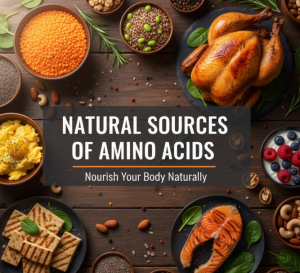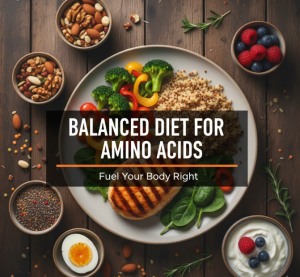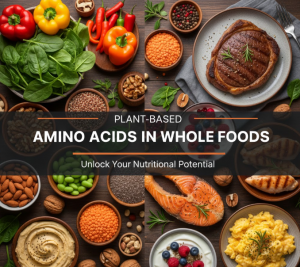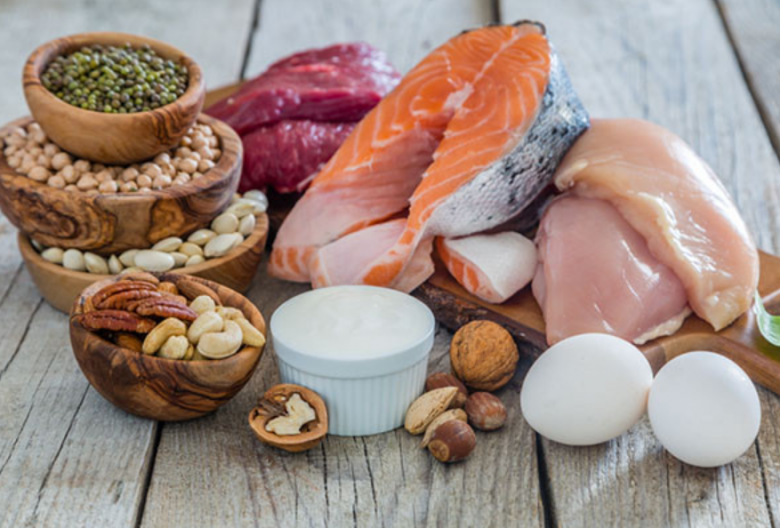
A healthy body depends on the nutrients we eat every day. Among these nutrients, amino acids play a major role in keeping our bodies strong and active. They help build muscles, repair tissues, support the immune system, and produce important chemicals in the body. Without enough amino acids, the body cannot function properly.
Amino acids are often called the building blocks of protein. When you eat protein-rich foods, your body breaks them down into amino acids and uses them to build and repair cells. There are 20 different amino acids, and nine of them are known as essential amino acids, meaning your body cannot make them on its own. You must get them from food.
Many people think only athletes need to worry about amino acids, but the truth is everyone needs them—children, teenagers, adults, and older people. A diet rich in amino acids supports energy levels, muscle health, brain function, and overall wellness.
This guide will explore the top foods rich in amino acids, how they benefit your body, and how you can include them in your daily diet. By the end of this article, you will know exactly what to eat to maintain a healthy and balanced diet.
Why Amino Acids Are Important for the Body
Before we explore the best foods, it’s helpful to understand why amino acids matter.
Your body uses amino acids for many important functions.
Key Benefits of Amino Acids
-
Build and repair body tissues
-
Support muscle growth and recovery
-
Help produce enzymes and hormones
-
Improve immune system function
-
Boost energy levels
-
Support brain health and mood
-
Aid in digestion and nutrient absorption
If your diet lacks essential amino acids, you may experience:
-
Muscle weakness
-
Fatigue
-
Poor immune response
-
Slow wound healing
-
Hair thinning or skin problems
Eating a variety of amino-acid-rich foods ensures your body receives everything it needs.
Types of Amino Acids Your Body Needs
Amino acids fall into three main categories.
1. Essential Amino Acids
These cannot be made by the body and must come from food.
Examples include:
-
Leucine
-
Lysine
-
Valine
-
Tryptophan
-
Methionine
-
Phenylalanine
-
Isoleucine
-
Threonine
-
Histidine
2. Non-Essential Amino Acids
Your body can produce these on its own.
Examples:
-
Alanine
-
Asparagine
-
Glutamic acid
3. Conditional Amino Acids
These are usually not essential but may become necessary during illness or stress.
Examples:
-
Arginine
-
Cysteine
-
Glutamine
The goal of a healthy diet is to include foods that provide a full range of amino acids.
Quick Chart: Essential Amino Acids and Their Role
| Essential Amino Acid | Main Function in the Body |
|---|---|
| Leucine | Muscle growth and repair |
| Lysine | Immune support and calcium absorption |
| Valine | Energy production and muscle metabolism |
| Tryptophan | Helps produce serotonin for mood and sleep |
| Methionine | Supports metabolism and detoxification |
| Phenylalanine | Important for brain chemicals |
| Isoleucine | Helps regulate blood sugar and energy |
| Threonine | Supports skin and connective tissue |
| Histidine | Helps produce histamine for immune response |
Top Foods Rich in Amino Acids
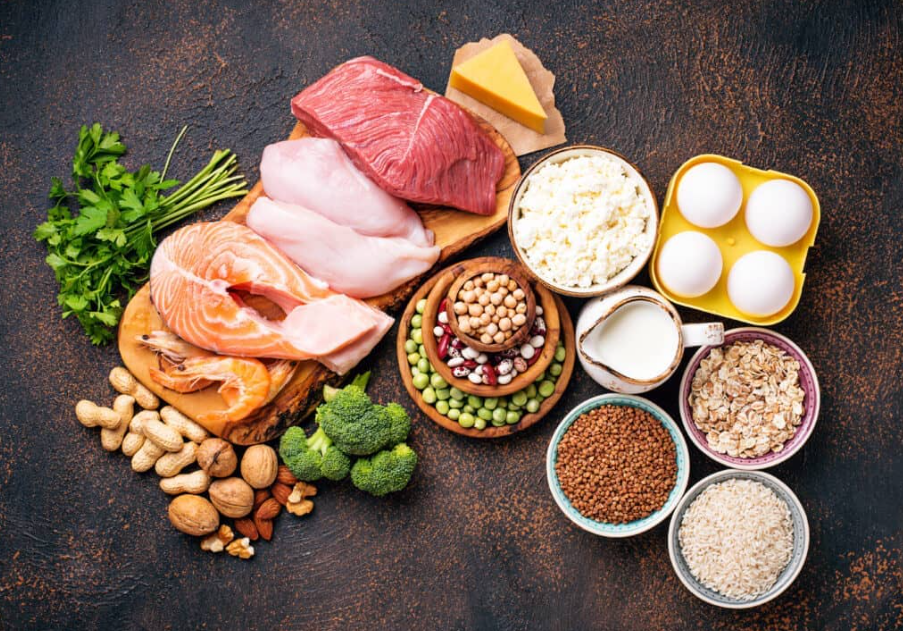
Amino acids are found in both animal-based and plant-based foods. Including a variety of these foods ensures your body receives complete nutrition.
Eggs – One of the Most Complete Protein Sources
Eggs are often considered one of the best sources of amino acids. They contain all nine essential amino acids in the right balance.
Why Eggs Are Powerful
-
High-quality protein
-
Easily absorbed by the body
-
Rich in vitamins and minerals
-
Support muscle repair
Nutritional Snapshot (Per Large Egg)
| Nutrient | Amount |
|---|---|
| Protein | 6 g |
| Calories | 70 |
| Essential Amino Acids | All 9 |
Easy Ways to Eat Eggs
-
Boiled eggs for breakfast
-
Omelets with vegetables
-
Scrambled eggs with whole-grain toast
-
Egg salad sandwiches
Chicken Breast – Lean Protein for Muscle Health
Chicken breast is a lean, high-protein food loaded with essential amino acids. It is popular among athletes and health-conscious people because it provides protein without excess fat.
Benefits of Chicken
-
Supports muscle growth
-
Helps maintain healthy weight
-
Boosts metabolism
-
Provides B vitamins for energy
Amino Acids Found in Chicken
-
Leucine
-
Isoleucine
-
Valine
-
Lysine
-
Methionine
Simple Meal Ideas
-
Grilled chicken salad
-
Chicken stir-fry with vegetables
-
Baked chicken with brown rice
Fish – Omega-3 and Amino Acid Powerhouse
Fish provides complete protein plus healthy fats that support heart and brain health.
Some of the best choices include:
-
Salmon
-
Tuna
-
Sardines
-
Mackerel
Benefits of Fish
-
Rich in essential amino acids
-
High in omega-3 fatty acids
-
Supports brain development
-
Reduces inflammation
Amino Acid Content Example (100g Salmon)
| Amino Acid | Amount |
|---|---|
| Leucine | 1.6 g |
| Lysine | 1.8 g |
| Valine | 1.1 g |
| Isoleucine | 1.0 g |
Easy Ways to Add Fish to Your Diet
-
Grilled salmon with vegetables
-
Tuna sandwiches
-
Fish curry with brown rice
Greek Yogurt – Protein-Rich Dairy Superfood
Greek yogurt contains twice the protein of regular yogurt, making it an excellent source of amino acids.
Why Greek Yogurt Is Healthy
-
High protein content
-
Supports gut health with probiotics
-
Good source of calcium
-
Helps maintain muscle mass
Nutrition Chart (1 Cup Greek Yogurt)
| Nutrient | Amount |
|---|---|
| Protein | 17 g |
| Calcium | 200 mg |
| Calories | 100–120 |
Healthy Snack Ideas
-
Greek yogurt with fruit
-
Yogurt smoothies
-
Yogurt with nuts and honey
Quinoa – A Complete Plant Protein
Quinoa is one of the few plant foods that contain all essential amino acids.
This makes it especially valuable for vegetarians and vegans.
Key Benefits
-
High in fiber
-
Gluten-free
-
Packed with vitamins and minerals
-
Supports digestive health
Nutritional Value (1 Cup Cooked)
| Nutrient | Amount |
|---|---|
| Protein | 8 g |
| Fiber | 5 g |
| Essential Amino Acids | All 9 |
Meal Ideas
-
Quinoa salad with vegetables
-
Quinoa breakfast bowl
-
Quinoa stir-fry
Lentils – Affordable Plant Protein
Lentils are among the most nutritious legumes and provide a good amount of amino acids.
They are also extremely affordable and widely available.
Benefits of Lentils
-
High protein
-
Rich in fiber
-
Supports heart health
-
Helps control blood sugar
Nutritional Snapshot (1 Cup Cooked Lentils)
| Nutrient | Amount |
|---|---|
| Protein | 18 g |
| Fiber | 16 g |
| Iron | 6.6 mg |
Popular Lentil Meals
-
Lentil soup
-
Lentil curry (dal)
-
Lentil salads
Soybeans and Tofu – Plant-Based Protein Stars
Soy products are among the best plant-based sources of complete protein.
They contain all essential amino acids, similar to animal proteins.
Examples of Soy Foods
-
Soybeans
-
Tofu
-
Tempeh
-
Soy milk
Benefits
-
Supports muscle health
-
Good for heart health
-
Helps reduce cholesterol
-
Great for vegetarian diets
Nuts and Seeds – Small but Powerful
Nuts and seeds may be small, but they provide important amino acids along with healthy fats.
Best Choices
-
Almonds
-
Pumpkin seeds
-
Sunflower seeds
-
Chia seeds
-
Peanuts
Benefits
-
Provide plant protein
-
Support brain health
-
Good source of magnesium
-
Boost energy levels
Protein Content Comparison
| Food | Protein per 30g |
|---|---|
| Almonds | 6 g |
| Pumpkin seeds | 7 g |
| Peanuts | 7 g |
| Chia seeds | 5 g |
Snack Ideas
-
Trail mix
-
Nut butter sandwiches
-
Yogurt topped with seeds
Beans – Nutrient-Rich Protein Source
Beans are an excellent plant-based protein option rich in amino acids and fiber.
Popular types include:
-
Black beans
-
Kidney beans
-
Chickpeas
-
Pinto beans
Health Benefits
-
Improve digestion
-
Support heart health
-
Help maintain stable blood sugar
-
Provide long-lasting energy
Protein Content (1 Cup Cooked)
| Bean Type | Protein |
|---|---|
| Black beans | 15 g |
| Chickpeas | 14 g |
| Kidney beans | 13 g |
Milk and Dairy Products
Dairy foods naturally contain complete proteins that provide all essential amino acids.
Examples include:
-
Milk
-
Cheese
-
Cottage cheese
-
Yogurt
Benefits of Dairy Proteins
-
Support bone health
-
Aid muscle recovery
-
Provide calcium and vitamin D
Amino Acid-Rich Food Pyramid
Here is a simple way to structure your diet:
Daily Foundation
-
Vegetables
-
Fruits
-
Whole grains
Protein Layer
-
Eggs
-
Fish
-
Chicken
-
Lentils
-
Beans
-
Tofu
Healthy Fats Layer
-
Nuts
-
Seeds
-
Olive oil
Eating foods from each level helps provide balanced amino acid intake.
Sample Daily Meal Plan for Amino Acid Intake
Breakfast
-
Greek yogurt with almonds
-
Whole-grain toast
-
Fresh fruit
Lunch
-
Grilled chicken salad with quinoa
-
Mixed vegetables
Snack
-
Apple with peanut butter
Dinner
-
Baked salmon
-
Brown rice
-
Steamed broccoli
Evening Snack
-
Cottage cheese with seeds
This combination provides a wide range of essential amino acids.
Tips to Increase Amino Acids in Your Diet
Improving amino acid intake is simple with small diet changes.
Practical Tips
-
Eat a protein source at every meal
-
Combine plant proteins (beans + grains)
-
Include nuts and seeds in snacks
-
Choose lean animal proteins
-
Add legumes to soups and salads
Animal vs Plant Amino Acid Sources
| Feature | Animal Protein | Plant Protein |
|---|---|---|
| Complete Amino Acids | Yes | Sometimes |
| Digestibility | High | Moderate |
| Fiber Content | Low | High |
| Best Examples | Eggs, fish, chicken | Lentils, quinoa, beans |
For the best results, many experts recommend a mix of both sources.
Signs Your Body Needs More Amino Acids
Your body may signal that it needs more protein and amino acids.
Common signs include:
-
Constant fatigue
-
Weak muscles
-
Hair thinning
-
Slow recovery after exercise
-
Frequent illness
If you notice these symptoms, improving protein intake may help.
Final Thoughts
Amino acids are essential for maintaining a strong, healthy body. They support everything from muscle growth and immune health to brain function and energy production. Since the body cannot produce all amino acids on its own, it is important to get them through a balanced diet.
Fortunately, many foods provide rich sources of amino acids. Animal-based foods such as eggs, chicken, fish, and dairy offer complete proteins that contain all essential amino acids. Plant-based options like quinoa, lentils, beans, soy products, nuts, and seeds also provide valuable amino acids and additional nutrients like fiber and antioxidants.
The key to a healthy diet is variety. By including a mix of different protein sources throughout the day, you can easily meet your amino acid needs and support overall health.
Whether your goal is to build muscle, improve energy levels, strengthen immunity, or simply maintain a balanced diet, focusing on amino-acid-rich foods is one of the smartest nutritional choices you can make.
Start adding these foods to your meals today, and your body will benefit from stronger muscles, better health, and lasting energy.