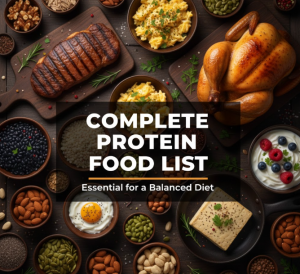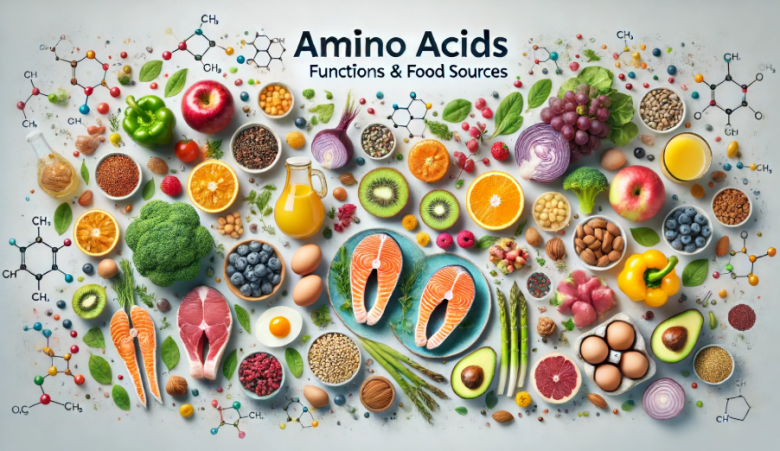
Amino acids are often called the building blocks of life, and for good reason. Every cell in your body relies on them to function properly. They help build proteins, repair tissues, support immunity, produce hormones, and even influence mood and brain health.
When people talk about nutrition, they usually focus on vitamins, minerals, or protein. But what many people don’t realize is that protein itself is made up of smaller units called amino acids. These individual amino acids each play their own role in keeping the body healthy.
Some amino acids help muscles grow and recover. Others support brain function, energy levels, heart health, and metabolism. Without the right balance of amino acids, the body cannot perform many essential functions.
This comprehensive guide will explain:
-
What amino acids are
-
The difference between essential and non-essential amino acids
-
The role of each individual amino acid
-
Their health benefits
-
Natural food sources
-
How they support overall wellness
By the end of this article, you’ll have a clear understanding of how individual amino acids affect your health and why they are so important for the body.
What Are Amino Acids?
Amino acids are organic compounds that combine to form proteins. Proteins are essential for nearly every biological process in the body.
Each amino acid contains:
-
A carbon atom
-
A hydrogen atom
-
An amino group
-
A carboxyl group
-
A unique side chain
These structures allow amino acids to connect and form long chains known as proteins.
Your body uses proteins for many purposes, including:
-
Muscle growth and repair
-
Hormone production
-
Immune system support
-
Enzyme creation
-
Tissue maintenance
-
Energy production
Without amino acids, the body would not be able to produce these essential proteins.
Three Main Categories of Amino Acids
The human body uses 20 main amino acids to build proteins. These amino acids are divided into three main groups.
1. Essential Amino Acids
Essential amino acids cannot be produced by the body, so they must come from food.
There are nine essential amino acids:
-
Histidine
-
Isoleucine
-
Leucine
-
Lysine
-
Methionine
-
Phenylalanine
-
Threonine
-
Tryptophan
-
Valine
Foods rich in essential amino acids include:
-
Meat
-
Eggs
-
Dairy products
-
Fish
-
Soy
-
Quinoa
2. Non-Essential Amino Acids
Non-essential amino acids are produced naturally by the body, so you don’t need to obtain them from food.
These include:
-
Alanine
-
Asparagine
-
Aspartic acid
-
Glutamic acid
Even though they are called “non-essential,” they are still extremely important for health.
3. Conditional Amino Acids
Conditional amino acids are usually produced by the body but may become essential during illness, stress, or intense exercise.
These include:
-
Arginine
-
Cysteine
-
Glutamine
-
Glycine
-
Proline
-
Serine
-
Tyrosine
Complete List of Amino Acids and Their Key Benefits
Below is a quick overview of the major amino acids and what they do.
| Amino Acid | Category | Major Health Role |
|---|---|---|
| Histidine | Essential | Growth, tissue repair |
| Isoleucine | Essential | Muscle metabolism |
| Leucine | Essential | Muscle growth |
| Lysine | Essential | Immune support |
| Methionine | Essential | Detoxification |
| Phenylalanine | Essential | Brain function |
| Threonine | Essential | Skin and collagen health |
| Tryptophan | Essential | Mood and sleep |
| Valine | Essential | Energy and muscle repair |
| Alanine | Non-essential | Energy production |
| Arginine | Conditional | Blood circulation |
| Glutamine | Conditional | Gut health |
| Glycine | Conditional | Collagen formation |
| Tyrosine | Conditional | Hormone production |
Essential Amino Acids and Their Health Benefits
Essential amino acids are critical because the body cannot produce them on its own.
Let’s explore each one.
Histidine
Histidine plays a major role in growth and tissue repair.
Health Benefits
-
Helps produce red and white blood cells
-
Supports immune system function
-
Protects nerve cells
-
Helps maintain healthy tissues
Histidine is also important for producing histamine, a compound involved in immune response and digestion.
Food Sources
-
Meat
-
Fish
-
Dairy
-
Whole grains
-
Nuts
Isoleucine
Isoleucine is one of the branched-chain amino acids (BCAAs) that help muscles recover after exercise.
Benefits
-
Improves muscle recovery
-
Supports energy production
-
Regulates blood sugar
-
Boosts endurance
Best Sources
-
Eggs
-
Chicken
-
Soybeans
-
Lentils
-
Cheese
Leucine
Leucine is one of the most important amino acids for muscle growth and protein synthesis.
Key Benefits
-
Stimulates muscle growth
-
Helps repair muscle tissue
-
Supports wound healing
-
Maintains blood sugar balance
Leucine is widely used in sports nutrition supplements.
Natural Sources
-
Beef
-
Tuna
-
Eggs
-
Soybeans
-
Chicken
Lysine
Lysine is essential for immune health and calcium absorption.
Health Benefits
-
Helps produce collagen
-
Improves calcium absorption
-
Supports bone health
-
Strengthens immune system
Lysine may also help reduce cold sore outbreaks.
Food Sources
-
Fish
-
Eggs
-
Beans
-
Dairy products
-
Meat
Methionine
Methionine plays an important role in detoxification and metabolism.
Benefits
-
Helps remove toxins from the body
-
Supports liver health
-
Improves skin and hair health
-
Helps produce antioxidants
Methionine also helps produce cysteine, another important amino acid.
Natural Sources
-
Eggs
-
Fish
-
Sesame seeds
-
Brazil nuts
-
Meat
Phenylalanine
Phenylalanine supports brain function and mood regulation.
Health Benefits
-
Helps produce neurotransmitters
-
Supports mental focus
-
Improves mood
-
Supports nervous system function
The body converts phenylalanine into tyrosine, which is used to make dopamine.
Food Sources
-
Milk
-
Cheese
-
Eggs
-
Soybeans
-
Meat
Threonine
Threonine plays a major role in skin, collagen, and connective tissues.
Benefits
-
Helps build collagen
-
Supports healthy skin
-
Maintains tooth enamel
-
Improves immune function
Food Sources
-
Cottage cheese
-
Lentils
-
Poultry
-
Seeds
-
Eggs
Tryptophan
Tryptophan is famous for its connection to sleep and mood.
Health Benefits
-
Helps produce serotonin
-
Supports sleep quality
-
Reduces anxiety
-
Improves mood
Serotonin produced from tryptophan is later converted into melatonin, the sleep hormone.
Best Sources
-
Turkey
-
Eggs
-
Cheese
-
Nuts
-
Oats
Valine
Valine is another branched-chain amino acid important for muscle repair.
Key Benefits
-
Supports muscle recovery
-
Promotes tissue repair
-
Maintains energy levels
-
Helps balance nitrogen levels in the body
Food Sources
-
Mushrooms
-
Peanuts
-
Dairy products
-
Soy
-
Whole grains
Non-Essential Amino Acids and Their Benefits
Even though the body can produce these amino acids, they are still essential for many biological processes.
Alanine
Alanine helps the body convert glucose into energy.
Benefits
-
Supports energy production
-
Helps regulate blood sugar
-
Improves muscle endurance
Food Sources
-
Meat
-
Fish
-
Eggs
-
Dairy products
Aspartic Acid
Aspartic acid helps support cellular energy production.
Benefits
-
Supports hormone production
-
Helps remove toxins
-
Improves metabolism
Sources
-
Avocados
-
Oysters
-
Meat
-
Sugar cane
Glutamic Acid
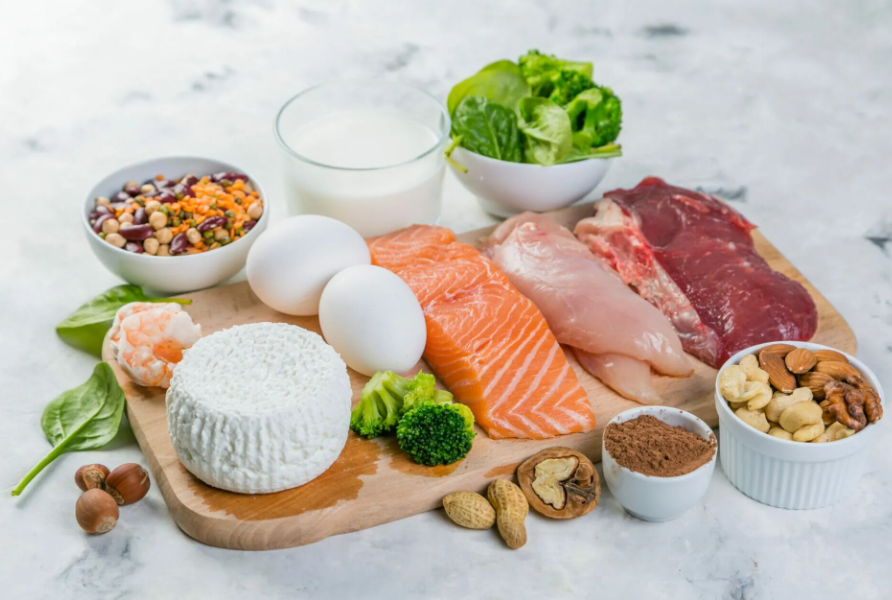
Glutamic acid plays a key role in brain health and nervous system function.
Health Benefits
-
Supports learning and memory
-
Improves brain communication
-
Helps detoxify ammonia
Food Sources
-
Eggs
-
Tomatoes
-
Soy products
-
Fish
Conditional Amino Acids and Their Benefits
Conditional amino acids become important during stress, illness, injury, or intense physical activity.
Arginine
Arginine helps produce nitric oxide, which improves blood flow.
Benefits
-
Improves heart health
-
Supports immune system
-
Enhances exercise performance
-
Helps wound healing
Food Sources
-
Nuts
-
Seeds
-
Turkey
-
Soybeans
Glutamine
Glutamine is one of the most abundant amino acids in the body.
Health Benefits
-
Supports gut health
-
Strengthens immune system
-
Helps muscle recovery
-
Reduces inflammation
Sources
-
Eggs
-
Beef
-
Chicken
-
Fish
Glycine
Glycine supports collagen production and sleep quality.
Benefits
-
Improves sleep
-
Supports joint health
-
Helps detoxification
-
Builds connective tissue
Food Sources
-
Bone broth
-
Meat
-
Fish
-
Dairy
Proline
Proline plays a critical role in skin health and wound healing.
Benefits
-
Helps produce collagen
-
Improves skin elasticity
-
Supports joint health
Sources
-
Gelatin
-
Eggs
-
Meat
-
Dairy products
Tyrosine
Tyrosine helps produce important hormones and neurotransmitters.
Benefits
-
Supports mental focus
-
Improves mood
-
Helps thyroid function
-
Boosts stress resistance
Food Sources
-
Cheese
-
Fish
-
Chicken
-
Almonds
Top Health Benefits of Amino Acids
Amino acids offer many powerful health benefits.
1. Muscle Growth and Recovery
Amino acids help:
-
Repair muscle tissue
-
Increase strength
-
Improve workout recovery
Athletes often use BCAA supplements for this reason.
2. Strong Immune System
Certain amino acids help produce antibodies and immune cells that protect the body from infections.
Key immune-supporting amino acids include:
-
Lysine
-
Arginine
-
Glutamine
3. Brain Health and Mood Support
Some amino acids are used to produce neurotransmitters such as:
-
Serotonin
-
Dopamine
-
Norepinephrine
These chemicals influence mood, focus, memory, and sleep.
4. Healthy Skin, Hair, and Nails
Amino acids help produce collagen and keratin, two important proteins responsible for healthy skin and hair.
Important amino acids for skin health include:
-
Proline
-
Glycine
-
Lysine
5. Improved Metabolism
Amino acids play a major role in:
-
Fat metabolism
-
Energy production
-
Hormone balance
They help the body convert food into usable energy.
Best Foods Rich in Amino Acids
Here are some of the best foods for obtaining a full range of amino acids.
| Food | Amino Acid Profile |
|---|---|
| Eggs | Complete protein |
| Chicken | High in BCAAs |
| Fish | Rich in essential amino acids |
| Quinoa | Complete plant protein |
| Soybeans | High protein plant source |
| Greek yogurt | Rich in leucine |
| Lentils | Plant-based amino acids |
Signs of Amino Acid Deficiency
A lack of amino acids can cause several health problems.
Common symptoms include:
-
Muscle weakness
-
Fatigue
-
Slow wound healing
-
Hair loss
-
Mood changes
-
Weak immune system
Eating a balanced diet usually prevents these deficiencies.
Tips to Maintain Healthy Amino Acid Levels
Follow these simple tips:
1. Eat Complete Proteins
Foods like eggs, fish, and dairy provide all essential amino acids.
2. Combine Plant Proteins
Vegetarians can combine foods such as:
-
Rice + beans
-
Lentils + grains
-
Hummus + whole wheat bread
3. Maintain Balanced Nutrition
Include:
-
Protein
-
Healthy fats
-
Whole grains
-
Fruits and vegetables
Final Thoughts
Amino acids are the foundation of protein and one of the most important components of human health. They play vital roles in everything from muscle growth and brain function to immune defense and hormone production.
By understanding the roles of individual amino acids, you can make better dietary choices and support your body’s natural processes.
To maintain optimal health:
-
Eat a balanced diet rich in protein
-
Include both plant and animal protein sources
-
Ensure you get all essential amino acids daily
When your body receives the right balance of amino acids, it can build, repair, protect, and energize itself effectively.