What are Amino Acids and What is the Importance?
The body is a machine with so many components which require the appropriate fuel in order to work efficiently. Proteins are formed by small units called amino acids, and proteins are present in all parts of your body. They are found in your muscles, your skin, your hair, your bones and even in the enzymes that aid you in digesting food.
Imagine amino acids resembling letters of the alphabet. Your body works just like the letters to create words, by joining the amino acids together to create various proteins. Your body requires an amino acid made of 20 amino acids, 9 of which are referred to as essential since your body cannot synthesize them. These basic amino acids are to be obtained in the food you consume.
You cannot get enough amino acid and this makes the body unable to create new cells, mend faulty tissue, and maintain the immunity. This is why it is essential to understand what are the foods that have these crucial nutrients in order to be healthy. For more comprehensive information about amino acids and their functions, visit aminoacidsguide.com.
There are 21 Types of Amino Acids That the Human Body Needs
And we have not yet plunged into the sources of food, and before we do so, you had better know the two chief kinds of amino acids.
The Ones You Must Eat: Essential Amino Acids
Your body is not able to synthesize these nine amino acids; therefore, it is highly important that you get them in your diet on a daily basis. They are histidine, isoleucine, leucine, lysine, methionine, phenylalanine, threonine, tryptophan and valine.
Lack of any of the essential amino acids will make your body resort to tearing up its own muscle-mass to supply what is required. This is the reason why a variety of foods that are rich in proteins is important in ensuring good health.
Non-Essential Amino Acids: These are the Ones That are Produced by Your Body
Don’t let the name fool you. These are still significant amino acids, which can be produced by the other nutrients in your body. The others (11) are non-essential amino acids, and provided that you are consuming enough calories and protein in general, then your body will create what it requires.
Sources of Animal Proteins: Complete Amino Acid Packages
The animal products are referred to as complete proteins as they have all the nine essential amino acids in the appropriate ratios. Let us see the most optimal sources of animals.
Meat: A Powerhouse of Protein
Amino acids are found in beef, pork, lamb, among other red meats. One 3-ounce portion of cooked beef has approximately 25 grams of protein and serves to satisfy all the essential amino acids that your body requires.
Turkey and chicken are also excellent options. They contain less fats compared to red meat, hence are heart friendly. On an average 3-ounce portion of chicken breast, there is approximately 27 grams of protein present.
They are also beneficial with less fat since game meats such as venison, bison, and elk have similar benefits. These meats too contain high levels of iron, zinc and B vitamins that combine with amino acids to make you healthy.
Fish and Seafood: Ocean’s Nourished Amino Treasures
One of the healthiest sources of proteins is fish. Not only do salmon, tuna, mackerel and sardines contain complete proteins, but omega-3 fatty acids that are good in your brain as well as your heart.
Three ounces of cooked salmon contain approximately 22 grams of protein. Shellfish such as shrimp, crab and lobster also are a great choice. Per 3 ounces, shrimp has approximately 20 grams of protein and is extremely low in calories.
White fish such as cod, halibut, and tilapia are ideal in case you are in need of lean protein but do not want a lot of fat. They are also light in taste and can be cooked in numerous different variations.
Eggs: The Ultimate Protein Source in Nature
Eggs have been referred to as the gold standard of protein. A single large egg is a perfect source of protein and all the nine essential amino acids.
Most of the protein is found in the egg white and the yolk is rich in essential nutrients such as vitamin D, choline and healthy fats. Eat the yolk, not because you are being healthier. The entire egg offers optimum nutritional benefits.
Eggs are also so diverse. You may scramble, boil, poach or include them in recipes. They are cheap, yet can be used any day any time.
Dairy Products: Liquid and Solid Amino Acids
High-quality protein is found in milk, cheese and yogurt. A single cup of milk has approximately 8 grams of protein with each cup of Greek yogurt having a capacity of up to 20 grams.
Cottage cheese is a source of protein especially with approximately 14 grams of protein per half-cup of cottage cheese. It is popular amongst athletes since it has casein which is a slow protein that feeds your muscles hours after taking it.
Cheddar, mozzarella and Swiss are types of cheeses that are concentrated sources of protein. All you need to do is to keep in mind that the cheese is also rich in calories and fat, so you need to be careful with it.
Plant-Based Sources of Protein: Amino Acids from the Earth
Although a majority of the plant foods do not package all the necessary amino acids in a single pack, when you combine various plant foods in a day, you are guaranteed all the necessary amino acids.
Legumes: Beans and Lentils
The champions in the plant world are beans, lentils, chickpeas and peas. A 1-cup serving of cooked lentils contains approximately 18 grams of protein as well as fiber, iron and folate.
Each cup of black beans, kidney beans and pinto beans contains approximately 15 grams of protein cooked. They are also highly inexpensive and may be stored over an extended duration.
Chickpeas are otherwise known as garbanzo beans and are great when it comes to making hummus or in salads. Their protein content is around 15 grams per cooked cup and they taste good and are nutty.
Soy Products: The Whole Plant Protein
Soybeans can be considered as unique among the plant foods in that they are a complete source of all the nine essential amino acids. This renders soy products such as tofu, tempeh and edamame to be complete proteins just like animal products.
Half-cup of tofu is approximately 10 grams of protein. It is a good absorber of flavors and hence it is ideal in stir-fries and marinades. Tempeh is fermented soy beans, which contain approximately 15 grams of protein in half-cups.
Edamame is that young soybean which can be taken as a snack. A cup has a protein content of approximately 17 grams. Soy milk is also available, and it contains approximately 7 grams of protein in a cup.
Nuts and Seeds: Small But Powerful
Some of the nuts, almonds, walnuts, cashews, etc., are good sources of protein that are also rich in healthy fats. One quarter-cup of almonds is estimated to have approximately 6 grams of protein.
Peanuts are also nuts that are technically legumes. They are protein sources with approximately 7 grams to the ounce. Peanut butter contains an easy source of protein to be added to foods and snacks.
Chia, hemp, pumpkin, and sunflower seeds are rich in protein. Hemp seeds are especially remarkable as they have all essential amino acids and approximately 10 grams of proteins in 3 tablespoons.
Whole Grains: Bigger than Bread
Quinoa is a unique grain due to the fact that it has all the nine essential amino acids. A single cup of cooked quinoa contains approximately 8 grams of protein and has ample amounts of fiber.
Another excellent option is oats, as the amount of protein per cooked cup is approximately 6 grams. They are also abundant in beta-glucan which is a form of fiber that helps in the heart.
Whole wheat bread, brown rice and barley have moderate protein levels. They are incomplete proteins but they are part of your daily protein intake in the form of amino acids.
Plant Proteins Have Been Blended Together to Form a Complete Dietary Supplement
When you are on a vegetarian or vegan diet, you can without any problem cover all the necessary amino acids by consuming all types of vegetable foods throughout the day.
The following are some of the time tested and proven combinations:
Rice and Beans is a common mix in most cultures. The amino acids that are absent in rice can be found in beans and the other way round. They combine to form a complete protein profile.
Peanut Butter on Whole Wheat Bread is another ideal pairing. The combination of grain and legumes is a guarantee of all essential amino acids.
Hummus and Whole Grain Pita Bread – Chickpeas and wheat are mixed in hummus and whole grain pita bread. It is a staple of Middle Eastern cuisine that has been feeding human population thousands of years.
The Myth About Protein Combining
The outdated dietary principles dictated that you had to have complementary proteins in each meal. In the present day, science demonstrates that this is not necessary. Your body will receive what it requires as long as you have eaten a variety of plant proteins all day long.
A pool of amino acids is held in a body that is utilized when and where necessary. This pool is maintained by consuming various sources of protein in the form of breakfast, lunch, and dinner.
The Amount of Food That Contains Amino Acids That You Need Depends on Your Age
This is because the quantity of protein that is required is dependent on your age, size, level of activity, and health objectives.
Daily Protein Consumption Guidelines
Adults require approximately 0.8 grams of protein per kilogram of body weight. That would be approximately 55 grams of protein a day to a person with 150 pounds.
Athletes and other active exercisers require more, averaging 1.2 to 2.0 grams per kilogram. This additional protein is used to build muscle tissue that is destroyed during exercises.
The children and teenagers also require more protein compared to their statures. Their bodies are continuously forming new tissue thus in need of ample amino acids.
When You Notice the Indications That You Are Not Receiving Enough
In case you are not consuming adequate amounts of foods that contain high content of amino acids, you may experience some symptoms. These may involve experience of weakness, loss of muscle mass, increased incidences of sickness and difficulty in concentration.
The hair may grow thin or weak and wounds may take longer to heal. When you observe these symptoms, then you should include more food items rich in protein in your meals.
Special Concerns Regarding Different Diets
The varying eating patterns demand varying ways of obtaining sufficient amino acids.
For Vegetarians
When you are consuming dairy and eggs but not meat, it is not difficult to get complete proteins. Consume eggs, milk, cheese, and yogurt on a regular basis (along with plant proteins).
Greek yogurt and nuts and seeds are a good match as a breakfast or a snack as they are rich in protein. Vegetable omelets contain full protein by including vitamins and minerals.
For Vegans
Vegetarian dietists should be more aware of variety. Eat a variety of protein foods in a day: legumes, whole grains, nuts, seeds, and soy products.
An average day may involve oatmeal and hemp seeds to have breakfast, quinoa salad with chickpeas to have lunch, and tofu stir-fry with brown rice to have dinner.
For Athletes and Bodybuilders
Trainees require larger amounts of protein to improve muscle development and regeneration. Strive to have 20-30 grams of protein per meal, at a time, throughout the day.
Timing matters for athletes. Consumption of protein in the two hours following an exercise is beneficial in optimizing muscle repair. A mixture of slow and quick digesting proteins is effective.
Amino Acid Content Comparison Table
| Food Source | Serving Size | Protein (grams) | Complete Protein? |
|---|---|---|---|
| Chicken Breast | 3 oz cooked | 27 | Yes |
| Salmon | 3 oz cooked | 22 | Yes |
| Eggs | 2 large | 12 | Yes |
| Greek Yogurt | 1 cup | 20 | Yes |
| Lentils | 1 cup cooked | 18 | No* |
| Quinoa | 1 cup cooked | 8 | Yes |
| Tofu | 1/2 cup | 10 | Yes |
| Almonds | 1/4 cup | 6 | No* |
| Black Beans | 1 cup cooked | 15 | No* |
| Cottage Cheese | 1/2 cup | 14 | Yes |
*Note: These are not complete proteins by themselves, but a combination of these throughout the day will have all essential amino acids.
Advantages of Amino Acids from Whole Foods
Consumption of whole foods as opposed to supplements has many health benefits.
More Than Just Protein
Entire food is available as a source of amino acids that are packaged with other nutrients that your body requires. Meat contains B vitamins and iron. Fish is a source of omega-3 fatty acids. Legumes are sources of fiber and folate.
These nutrients interact in a manner that cannot be achieved by isolated amino acids supplements. Food contains nutrients, not pills in which your body is structured to process nutrients.
Better Absorption and Use
Your digestive system has also developed to be able to extract nutrients out of food. The whole foods contain amino acids that are usually better absorbed as compared to powdered supplements.
Another advantage of food is that it gives a constant supply of amino acids into your bloodstream, which is ideal in muscle building and repair. Supplements will result in spikes that your body is forced to cope with.
Cost-Effective Nutrition
Taking the cost per gram of protein, whole foods tend to be cheaper than supplements. Other nutritional foods that are inexpensive include beans, eggs and chicken.
You also find more pleasure in consuming some real food. Chewing and tasting of food you are eating will serve to help you know when you are full and avoid overeating.
Popular Myths About Amino Acids and Protein
It would be good to dispense with some common myths about the sources of proteins and amino acids.
Myth: To Gain a Muscular Body, You Must Consume Meat
Plant-based diets are followed by a great number of successful athletes and bodybuilders. As far as you consume sufficient amounts of calories and plant sources of protein, you can gain as much muscle as meat-eaters.
Plant proteins are equally effective in muscle building when it is taken in proper quantities. It is in the consumption of adequate total protein and training.
Myth: More Protein Is Better
There is a limited amount of protein that can be absorbed by your body at a given time. Consumption of lots of food does not result in larger muscle growth. Additional protein is either burnt or deposited as fat.
Normal meals are sufficient in protein to most people. You most likely do not need protein supplements, having in mind that you are not an athlete or have special medical requirements.
Myth: Plants are Bad Proteins
Most plant proteins do not contain one or more of the essential amino acids, but by taking them in a variety during the day this issue is completely addressed. A plant based diet has the capability to supply all the amino acids.
Most of the plant proteins also have health advantages that animal proteins do not have such as fiber, antioxidants and disease-fighting phytonutrients.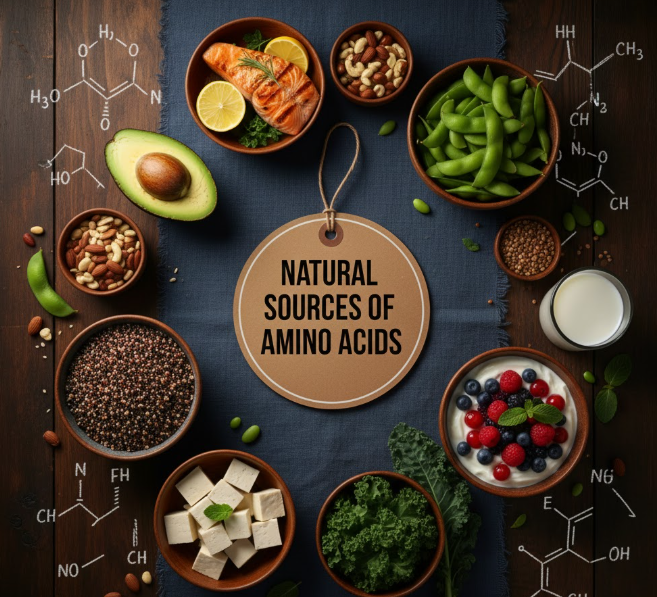
Incorporate Amino Acid-Rich Foods into Your Life
There is no need to be complicated to get sufficient amino acids. These are the basic methods of incorporating these nutrients in each meal.
Breakfast Ideas
Begin your day with the scrambled eggs and whole wheat toast. To add calcium and additional protein add cheese. Berry and granola Greek yogurt will be a delicious protein-rich choice.
Plant-based protein: Oatmeal with nuts and seeds can be used. Blend soy milk, banana and peanut butter in a blender to make a quick protein shake.
Lunch Suggestions
Construct a salad using grilled chicken or the chickpeas as the source of protein. Add quinoa to add additional amino acids and fiber. Tuna sandwich on whole grain bread is a straightforward sandwich to prepare.
Whole grain crackers with bean soup is a warm, protein packed lunch. Several sources of proteins are present in hummus wraps containing vegetables and feta cheese.
Dinner Options
The salmon and brown rice and vegetables are a balanced meal with amino acids. Tofu stir-fried with mixed vegetables over rice noodles is suitable among vegetarian consumers.
The tacos made out of black beans, cheese, and whole grain tortillas are fully nutritious. Whole wheat naan should be served with lentil curry, which is also a source of protein.
Snack Ideas
Store hard-boiled eggs in the refrigerator to have fast protein snacks. Serve pairs of cubes of cheese with whole grain crackers. Spiced roasted chickpeas are a delicious protein snack.
Nut and seed trail mix is a good source of protein. Edamame topped in sea salt makes a nice and healthy bite.
The Future of Sources of Amino Acids
In the near future, scientists are coming up with alternative methods of creating protein that can be used to supplement the traditional sources.
Innovative Food Technologies
Meat created in the laboratory is a reality. This technology would have the capability of producing full protein without the need of keeping animals. It remains costly yet the prices are reducing at an alarming rate.
Sustainable sources of food include development of protein-rich algae and fungi. These crops develop fast and need less resources compared to conventional crops or animals.
Sustainable Choices Matter
With the increased population in the world, it is becoming more difficult to obtain sufficient protein to all the people. Sustainable sources of protein are also selected to save the environment.
Plant proteins typically need less water and less land as compared to animal proteins. The greater consumption of beans, lentils, and whole grains in favor of a decrease in meat consumption can positively affect the environment. According to research from Harvard T.H. Chan School of Public Health, choosing plant-based proteins can have significant health and environmental benefits.
Frequently Asked Questions
What are the most ideal natural sources of amino acids?
Eggs, fish, chicken, beef, dairy products, soybeans, quinoa, legumes, nuts and seeds are the optimal natural foods. Animal food will provide all the necessary amino acids, and most of the vegetable sources require combination during the day to achieve full nutrition.
Are you able to obtain all of the necessary amino acids through plants?
Yes, no matter how varied your daily menu is, you will be able to obtain all the necessary amino acids out of plants. Complete plant proteins are soybeans and quinoa, whereas a combination of grains and legumes guarantee complete amino acids.
What is the protein requirement in grams per day?
The average protein requirement of most adults is approximately 0.8 grams of body weight per kilogram or 55 grams in a 150-pound individual. Personal activities and athletes require 1.2 to 2.0 grams of food per kilogram to aid in muscle rebuilding.
Is supplementation with amino acids necessary?
The fact is that supplements are not needed by most people in case they are fed on a balanced diet with sufficient protein. Whole foods contain amino acids as well as other essential nutrients that supplements do not contain. Supplements may be necessary only to the people who have certain medical conditions or exceptionally limited diet.
What would happen when you fail to have enough amino acids?
Lack of amino acids may cause muscle wasting, poor immunity, delayed wound healing, hair loss, and poor concentration. It may lead to serious health issues that impact on growth and development in severe cases.
What are the amino acids that your body is unable to produce?
Your body will not synthesize nine essential amino acids: histidine, isoleucine, leucine, lysine, methionine, phenylalanine, threonine, tryptophan and valine. These should be acquired in food sources on a daily basis.
Building a Healthy Future with Smart Food Choices
Naturally, it is not difficult to obtain sufficient amino acids. No matter what you consume, be it animal or vegetarian, or a combination of the two, there is an abundance of delicious choices that can satisfy the protein requirements.
The key is variety. Do not base your diet on a single or two sources of protein. Explore alternative foods, experiment on various recipes and find out which ones suit your taste and lifestyle. Better energy and stronger muscles, as well as overall health, will be the reward to your body.
It is important to remember that not only do the whole foods contain amino acids, but also vitamins, minerals, and other nutrients that combine to make you healthy. Supplements are necessary, but they cannot be used instead of the complicated nutrition of natural foods.
Begin at this point by incorporating one new protein-rich food item into your meals every week. And be it the attempt to eat lentil soup, roast a salmon, or eat a snack of almonds, every single step will make you closer to better nutrition and a healthier life. The first steps towards the best amino acid consumption start with the decision you make with every meal.