The Reason Why Your Body Needs Amino Acids Every Single Day
Amino acids are objects that are so small and build everything that is in your body. These tiny molecules are a part of your muscles and bones, your hair and your immune system, they make everything happen behind the scenes to ensure you remain healthy and strong. A constant intake of amino acids in the foods you consume on a daily basis is important to your body.
Lack of sufficient amino acids makes your body to find it difficult to repair broken body tissues, infections or even to secrete the hormones that control your mood. This is why it is so important to know your daily food intake of amino acids.
This paper dissects all that you should know concerning the need to get adequate amount of amino acids in your diet. You will then know which foods provide the highest amounts of protein power, the quantity you ought to have, and how to balance your own meals to be healthier.
The Amino Acid Basics: What Are the Amino Acids?
Amino acids are organic substances that are used to make proteins. Nature has about 500 different amino acids which have been identified and 20 of them are used by your body to construct proteins.
These 20 amino acids can be divided into three types:
Essential Amino Acids: Your body is unable to synthesize these nine amino acids, and thus, you need to obtain them in food. These are histidine, isoleucine, leucine, lysine, methionine, phenylalanine, threonine, tryptophan and valine.
Non-Essential Amino Acids: These are made by your body. Although they are termed as non-essential, they are equal to your health. Such group contains alanine, asparagine, aspartic acid and glutamic acid.
Conditionally Essential Amino Acids: Generally, your body produces adequate quantities of these, however, when sick or stressed, or when exercising intensively, you may need supplemental quantities in food. Some of them include arginine, cysteine, glutamine, glycine, proline and tyrosine.
Amino Acids Are Protein Molecules Found Within Your Body: Their Function Is to Build Proteins and Enlarge the Body
Proteins can be found in every single cell in your body, and amino acids are the raw materials which form it. When you consume protein-rich foods, your digestive system dissolves them to separate amino acids. The amino acids are then carried in your bloodstream to the other areas of your body back to form new proteins.
These proteins do an uncountable amount of work. Others are enzymes that accelerate the rate of chemical reactions. Others become antibodies which guard you against diseases. Some of them are structural elements such as collagen in your skin or keratin in your hair.
Amino acids are also used by your body to produce neurotransmitters that are chemical messengers in your brain. As an illustration, tryptophan aids in the formation of serotonin which is a neurotransmitter that affects your mood and sleeping habits.
What Is the Real Recommended Protein Intake?
The quantity of amino acids required is determined by various factors: age, weight, level of activity and general health condition.
The general protein requirements depend on the age, mass of the body and the energy expended. The mass of the body is obtained based on the body mass index.
The normal adult dose is approximately 0.8 grams of protein to each kilogram of body mass every day. That is approximately 56 grams of protein per day to an individual with a body weight of 70 kilograms (154 pounds).
Nevertheless, this baseline is the minimum level that should not be deficient. Most nutritionists recommend the following intakes to ensure good health:
- Sedentary adults: 0.8 to 1.0 grams per kilogram
- Active people: 1.2-1.6 grams per kilogram
- Athletes and bodybuilders: 1.6 to 2.2 grams per kilogram
- Older adults (65 and above): 1.0-1.2 grams per kilogram
Special Considerations
The expectant mothers require an extra supply of protein to aid in the development of the fetus and normally, they gain an extra 25 grams of protein per day during the second and third trimester. The children and teenagers are also growing and thus need more protein as compared to the body weight of an adult.
Individuals who are healing a wound, recovering after surgery, or battling a sickness may require a supplement of protein to restore body cells and support the immune system.
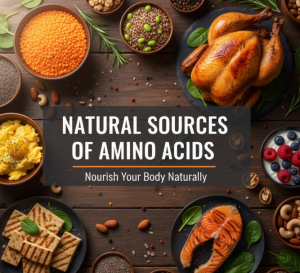
Complete Amino Acids: Best Food Sources
Amino acids have various ratios and quantities in foods. Others contain all the nine necessary amino acids in the right proportions whereas others may be low in one or more.
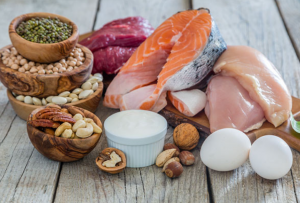
Animal Sources
The half-daily protein intake should be of animal sources.
Animal foods are complete proteins in that they all have all the essential amino acids in proportion.
Eggs: The average mass of protein provided by one big egg is 6 grams with a perfect amino acid composition. Most of the protein is found in the egg white and the yolk forms the source of vitamins and minerals.
Chicken and Turkey: 3 ounces of cooked breast of chicken provides approximately 26 grams of protein. Poultry is fat free, flexible and is very common.
Fish and Seafood: Salmon, tuna, and shrimps are sources of protein powerhouse. A 3-ounce serving of cooked salmon has approximately 22 grams of protein and omega-3 fatty acids that are beneficial to the heart.
Beef and Pork: Red meat contains plenty of good protein coupled with iron and the B vitamins. Lean ground beef of 3 ounces is estimated to contain 22 grams of protein.
Dairy Products: Milk, cheese, and yogurt contain protein and calcium. A single serving of Greek yogurt may be as rich in protein as 20 grams.
Plant Sources
Although most sources of plant foods do not contain one or more essential amino acids, a variety of plant sources do contain complete protein.
Quinoa: It is an ancient grain that has all the nine essential amino acids. A single cup of cooked quinoa has approximately 8 grams of protein.
Soybeans and Soy Products: Tofu, tempeh and edamame are complete proteins. Approximately 10 grams of protein is present in half a cup of firm tofu.
Buckwheat: Buckwheat is not related to wheat, as its name suggests. One cup of cooked buckwheat groats contains approximately 6 grams of complete protein.
Chia Seeds and Hemp Seeds: These small seeds have tremendous protein. Hemp seeds have approximately 10 grams of complete protein in three tablespoons.
Creating Whole Proteins Out of Plants
Even in case you have a vegetarian or vegan diet, there is an opportunity to obtain all the necessary amino acids by mixing various vegetable foods during the day. This is referred to as protein complementing.
Classic Combinations
Some food combinations form complete protein combinations:
- Rice and beans: Rice contains lysine at a low concentration, and methionine at a high concentration. Beans also contain sufficient lysine and less methionine. They combine to give all the necessary amino acids.
- Peanut butter on whole wheat bread: Legumes and grains are complementary to each other in terms of the amino acids.
- Hummus and pita bread: The combination of chickpeas and wheat is complete and the two proteins result in complete protein.
- Lentil barley soup: This is a rich mixture that contains all the necessary amino acids.
You do not have to eat these foods together in the meal. The number of plant proteins you eat daily provides your body with amino acids to store up and create complete proteins as long as you do not run short. For more detailed guidance on understanding amino acids and their role in your diet, exploring comprehensive resources can help optimize your nutrition.
Food Chart Daily Amino Intake as per Age and Activity
As indicated in the table below, protein consumption is recommended with reference to various life stages and activity:
| Group | Body Weight (kg) | Protein Requirements (g/kg) | Protein Daily (grams) |
|---|---|---|---|
| Children (4-8 years) | 20-30 | 0.95 | 19-29 |
| Teens (14-18 years) | 50-70 | 0.85 | 43-60 |
| Adult Women | 60-75 | 0.8-1.0 | 48-75 |
| Adult Men | 70-90 | 0.8-1.0 | 56-90 |
| Pregnant Women | 60-75 | 1.1 | 66-83 |
| Active Athletes | 70-90 | 1.6-2.2 | 112-198 |
| Older Adults (65+) | 60-80 | 1.0-1.2 | 60-96 |
These figures are just general guidelines. The requirements of individuals can differ depending on the health condition, metabolism, and personal objectives.
Pointers to Underintake of Amino Acids
Your body gives definite messages when you are not taking enough protein and amino acids.
Loss and Weakness in Muscle: Inadequate amino acids make the body use muscle tissue to provide the building blocks required by the body. You may experience weakness or trouble having muscle mass.
Slow Healing: Your wounds, cuts and bruises heal slowly when you are deficient in protein. Your immune system becomes weak too and you become more prone to infections.
Hair and Nail Problems: Hair and nails are mostly composed of protein and here deficiency is likely to be the first to appear. You may have brittle nails, loss of hair or slow growth of hair.
Swelling and Fluid Retention: Proteins are needed to ensure that there is a balance of fluid in your body. When there is a low level of protein in the body, it leads to swelling of the legs, feet, and tummy.
Constant Hunger: Protein makes you feel full and satisfied in between meals. You may get hungry soon without sufficient enough.
Changes in Mood: Amino acids form neurotransmitters, which control mood. Such a low intake may lead to irritability, anxiety or depression.
Is There Such a Thing as an Excess of Amino Acids?
Although the lack of proteins is dangerous to health, having too much of it is no less problematic.
High protein consumption is safe when done in moderate quantities by most healthy individuals. But excessive intake over prolonged times can overwork your kidneys particularly in case of already existing kidney disease.
Protein diets may also supplant other vital nutrients, especially those that are very high. When you saturate on protein-rich foodstuffs, you may not consume sufficient fruit, vegetable and whole grain food which is rich in fiber, vitamins and minerals.
Other individuals may develop digestive problems, when the protein consumption is suddenly raised. Making changes to your diet gradually makes you get used to it.
The fact that most individuals have a balanced diet means that it is hard to eat unhealthy quantities of protein through food. Protein supplements and powders are easily taken in excess of the recommended dosages hence consumption should be done with caution.
Timing Your Intake of Protein in a Day
According to recent studies, distribution of protein in food throughout the day can be more effective than the consumption of most of it in a single meal.
Breakfast Protein
Protein in the morning maintains the blood sugar level and prevents hunger between the meals. The target is to have 20-30 grams of protein in the breakfast with foods such as eggs, Greek yogurt, or high protein smoothies.
Post-Workout Nutrition
The exercise has prepped your muscles to take in amino acids. Taking in of 20-40 grams of protein within two hours of exercise aids in the muscle regeneration and development.
Evening Protein
Protein aids in muscle repair throughout the night, and may be consumed at dinner and prior to sleeping, in small quantities. Protein digests slowly such as casein in dairy products which are particularly effective prior to sleep.
The studies have shown that protein intake of 20-40 grams in each meal divided into three or four meals per day is more effective in muscle protein synthesis than an equivalent of protein intake packed into one or two meals.
Amino Acids to Achieve Various Health Objectives
The protein and amino acid requirements vary depending on whatever you want to accomplish.
Building Muscle
Protein supplemented with resistance training is necessary to help muscle to build. Pay attention to food with high levels of leucine such as dairy products, meat and legumes. Leucine causes the process of building the muscle in your body.
Weight Loss
Protein enhances satiety and muscle-saving during calorie intake restriction. The greater the protein intake (25-30% of total calories), the more successful the weight loss outcomes and the easier the weight loss maintenance in the long-term.
Healthy Aging
Elderly people are advantaged by the high protein content to fight against the age-related muscle degeneration. Protein intake combined with vitamin D and exercises plays a role in ensuring strength and independence.
Athletic Performance
Additional protein is required by athletes to maintain their muscles damaged during exercise and adjust to training. The endurance athletes usually require 1.2-1.4 grams per kilogram and the strength athletes might require 1.6-2.2 grams per kilogram. According to the Academy of Nutrition and Dietetics, timing and distribution of protein intake can significantly impact athletic performance and recovery.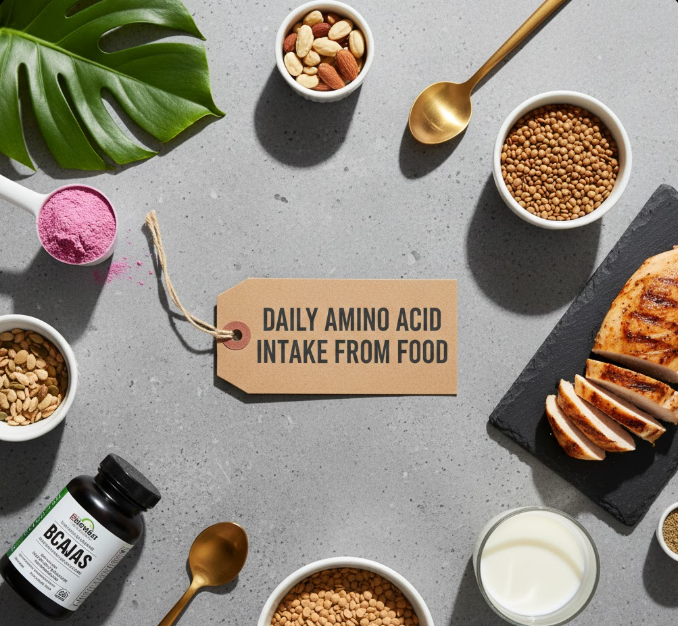
Basic Foods to Eat to Achieve Amino Acid Moderation
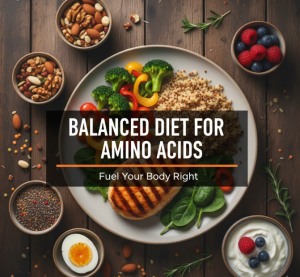
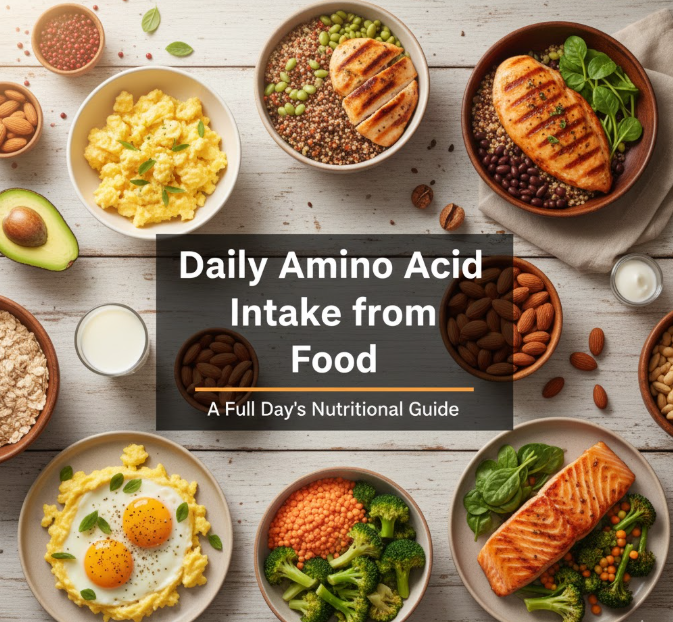
Amino acids do not have complex recipes that are needed to make meals that have full amino acid profiles.
Breakfast Options:
- Avocado, whole wheat toast and scrambled eggs
- Nuts and berry Greek yogurt parfait
- Oatmeal with almond butter and chia seeds
- Tofu scramble with vegetables and quinoa
Lunch Ideas:
- Chicken salad on grill with mixed greens and chickpeas
- Lentil soup and whole grain crackers
- Sandwich – tuna on whole wheat and edamame on the side
- Quinoa, black beans, and roasted vegetable Buddha bowl
Dinner Suggestions:
- Salmon baked with brown rice and steamed broccoli
- Stir-fried tofu with vegetables with soba noodles
- Tacos of lean beef, black beans and whole grain tortillas
- Chicken and vegetable lentil-curry over rice
Snack Options:
- Few almonds and an apple
- Hummus with carrot sticks
- Whole grain crackers and cheese, string cheese
- Hard-boiled eggs
Frequently Asked Questions
What would occur in the event that I miss my daily amino acid consumption one day?
Lack of sufficient protein in one day will not be very detrimental. A portion of the amino acids is stored in your body and can short-term adapt. But when you always fail to meet what you need, you find yourself experiencing the deficiency symptoms mentioned above. Attempt to get on track with your next meal.
Do I really need amino acid supplements in case of a balanced diet?
Amino acid supplements are unnecessary to most individuals who consume diverse diets. Whole foods are a good source of protein as well as vitamins, minerals and other useful compounds. Supplements may be effective with athletes, those who have reduced appetites due to old age, or individuals having certain medical conditions but it is important to consult a health professional before doing so.
Would all my amino acids come with plants only?
The answer to this question is yes. The trick is to consume a number of different protein sources during the day. Legumes, whole grains, nuts, seeds, and soy products should be mixed in order to make sure that you are getting full profiles of proteins.
Who knows whether I am getting the right amount of each of the essential amino acids?
When you are consuming at least 0.8 grams of protein per kilogram body weight and the protein comes in a mixed form, then you are likely to be receiving enough amino acids in all of its essential ones. The balanced intake should be achieved by eating complete sources of proteins or complementary plant proteins.
Are the amino acids in other foods the same in my body?
All sources of amino acids are used in a similar way by your body however, there are a few differences in the rate of absorption. Animal proteins are normally digested and absorbed faster as compared to plant proteins. But, they both do the job of supplying amino acids to your body.
Should the protein be consumed in one meal or should they be consumed throughout the day?
It has been proposed that muscle-protein synthesis is more effectively achieved when one distributes protein over several meals (3-4 times a day) as compared to that when one eats a limited amount of protein at a time or once or twice a day. A target of 20-40 grams of food per meal would be more effective instead of piling it all at night.
What You Can Do to Improve Amino Acid Intake
Adequate consumption of amino acids in food does not necessitate being a perfectionist or having obsessive monitoring. These are some of the practical steps to start with:
Evaluate your present consumption by recording your food over a period of several days. Test whether you are including protein sources in most of the meals.
Select good sources of protein at every meal. Combine animal and plant proteins according to your taste.
Combine complementary proteins in planning simple meals in case you are on a plant-based diet.
Listen to your body’s signals. A constant state of hunger, tiredness or lack of healing may be a sign that you need to increase your protein intake.
Change portions according to the level of activity. Days that are more active need more protein to aid in recovery.
Be steady and not ideal. The frequency and sufficient consumption is more important than the absolute targets on a daily basis.
It is the task of your body to constantly construct, renovate and conserve itself using the amino acids found in foods that you consume. Knowing what you need and making good choices on sources of protein gives your body building blocks it requires to ensure that you are healthy, strong and energized on a daily basis.