So Why is Methionine So Special?
Your body represents a huge construction site which cannot cease to be built. In each second, millions of small workers are producing new proteins that are replacing the old cells, wound healing, and time and again making you alive. And here is the point: not a single particle of this structure can be initiated without methionine.
Methionine is a highly necessary amino acid, which means that your body cannot produce it. You must get it from food. The only difference between methionine and other 19 amino acids is that it is the starting signal of protein synthesis. Imagine one can consider it the go button that initiates the whole protein-building process.
Your cells cannot make proteins in the absence of methionine. Your body will not be able to operate without proteins. This paper will discuss the methionine, which initiates the protein synthesis and the importance of this process to your health.
The Building Blocks of Life
It is worthwhile to have a glimpse of what proteins are before going into the role of methionine.
Proteins consist of amino acid chains. To build your body, thousands of different proteins are produced by using 20 different amino acids. Every protein has a special task, either the formation of muscle fibers or combating infections.
The amino acids are joined in the form of beads on a string. The sequence of these beads defines the activity of the protein. The replacement could be just one bead, and the whole activity of this protein could be altered.
Essential amino acids are nine in number among them being methionine. These are to be provided to your body through food since it is incapable of producing them. The remaining 11 amino acids are considered to be non-essential since they can be synthesized within your body using other types of nutrients.
Methionine is Derived in the Diet
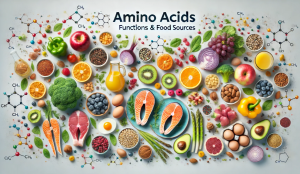
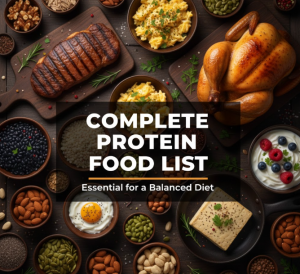
Methionine is found in lots of protein-rich foods. The animal sources usually have higher contents compared to plant sources.
The best food sources of Methionine:
- Eggs (egg whites especially)
- Fish (tuna, salmon, halibut)
- Chicken and turkey
- Beef and pork
- Dairy products (cheese, milk, yogurt)
- Brazil nuts and sesame seeds
- Soybeans and tofu
- Quinoa and oats
The majority of individuals who consume a balanced diet acquire sufficient amounts of methionine. Plant foods can satisfy the requirements of vegetarians and vegans, but they might have to consume more diverse food.
Protein Synthesis: A Complex Process Explained
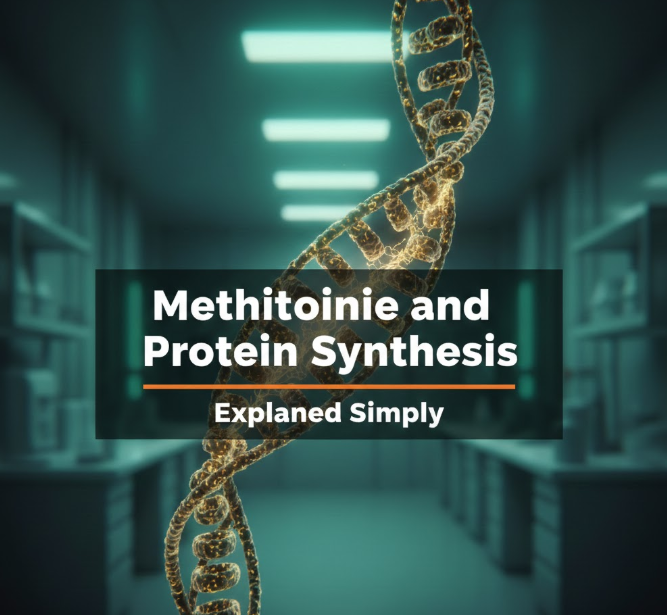
The production of proteins occurs in two distinct phases: transcription and translation. Both are done within your cells and they are mainly done in structures known as ribosomes.
Transcription: Creating the Blueprint
To start with, your cell should be told what to do. These are the instructions that are stored in your DNA that are safely stored in the nucleus of the cell. A special enzyme reads a segment of DNA during transcription and forms a copy of it known as messenger RNA (mRNA).
Imagine that you make a photocopy of a recipe. The original cookbook (DNA) remains secured in the library (nucleus) with the copy (mRNA) coming to the kitchen (ribosome).
Translation: Assembling the Protein Chain
Methionine here comes into the limelight. The process of assembly of amino acids into a protein chain is known as translation.
The mRNA passes out of the nucleus to the ribosome. The ribosome reads the mRNA code in a sequence of three-letter codons. Each codon contains a particular amino acid.
The important thing here is that the start codon is always AUG that encodes methionine. This is because every single protein chain that exists in your body starts with methionine.
Why Methionine is the First Protein Amino Acid
The first codon AUG acts as an instruction to the ribosome: “Begin assembly at this point!” In the absence of this signal the ribosome would be unaware of where to start reading the genetic instructions.
The anchor point is methionine. Methionine binds to the start codon due to a special form of transfer RNA. All the other components required in protein synthesis are attracted to this binding.
When the protein chain finishes, enzymes may tend to trim the initial methionine. The protein then folds into its eventual three-dimensional form and starts working in the body.
The Step-by-Step Guide to the Creation of Proteins
To understand the specific mechanism of methionine initiation of protein synthesis, we need to consider the following:
Step 1: Initiation
The ribosome identifies a start codon (AUG) on the strand in the mRNA. This codon is recognized by a special transfer RNA (tRNA) molecule which is a methionine carrier that attaches to it. This is the initiation complex which serves to construct the whole protein.
Step 2: Elongation
The ribosome translates the mRNA, reading off each codon after methionine. The specific amino acids are matched and brought to each codon by other tRNA molecules. The amino acids bond together creating a chain.
This happens in a very rapid way. Approximately 20 amino acids per second may be added by a ribosome. Ribosomes are millions in your cells, and they are all engaged in the process of protein production.
Step 3: Termination
The ribosome finally comes to a halt codon. These codons (UAA, UAG or UGA) are an indication of the protein termination. When the protein chain is complete, it dissociates with the ribosome and folds to a functional form.
The Methionine Cycle of Life in Your Organism
Methionine is not only the beginning of the protein chains. Since you take methionine-rich foods, the body utilizes this amino acid in a number of significant processes.
Conversion to SAMe
Methionine that you are taking is transformed into S-adenosylmethionine (SAMe) in large proportion. This compound is also a donor of methyl groups to other molecules which is important in hundreds of chemical reactions.
Methylation influences DNA regulation, neurotransmitter generation and detoxification. Depression, liver issues and cognitive deterioration have been attributed to low levels of SAMe.
Creating Cysteine
Methionine can be changed to a different amino acid known as cysteine. One of your body’s antioxidants is glutathione, and cysteine is used in its construction.
Glutathione helps in preventing damage of cells due to free radicals and toxins. It aids the immune system and aids the liver to overcome toxins.
Producing Creatine
Methionine is used in the synthesis of creatine. Creatine provides energy to the brain cells and muscles. Creatine is a supplement that athletes use to enhance performance and recovery.
Methionine: How Much of This Amino Acid Do You Require?
The daily dose of methionine is dependent on the age, weight, and activity level. In the case of adults, professionals recommend approximately 14 milligrams per kilogram of body weight per day.
This approximates to 950 milligrams per day for a 150-pound (68 kg) individual. The vast majority of people can tend to fulfill this need by regular eating habits.
| Age Group | Methionine Requirement | Example Food Source |
|---|---|---|
| Children (4-8 years) | 700 mg/day | 2 eggs + 1 cup milk |
| Teens (14-18 years) | 900 mg/day | 3 oz chicken + 1 oz cheese |
| Young Adults (19-30 years) | 1,000 mg/day | 1 cup yogurt + 4 oz fish |
| Adults (19+ years) | 950-1,100 mg/day | 4 oz beef + 2 eggs |
What Does Excessively Little Methionine Do?
Severe deficiency of methionine is uncommon in the developed nations but it may be present in individuals who have exceptionally limited diets or in some medical conditions.
Symptoms of deficiency could include:
- Slow wound healing
- Muscle weakness and loss
- Fatigue and low energy
- Poor skin and hair health
- Weakened immune response
- Mood and cognitive dysfunctions
Persistent deficiency may hamper the body’s protein synthesis. This poses widespread issues since proteins are needed in all the cell functions.
Is Too Much Methionine Harmful?
Although the use of methionine is crucial, too much of it can lead to problems. The large amount of methionine has been linked with the elevated levels of homocysteine in the blood.
A compound such as homocysteine can damage blood vessels and predispose to heart disease in large levels. Homocysteine is normally converted to methionine or cysteine via your body but this conversion requires proper B vitamins.
Certain studies have indicated that excessive intake of methionine could:
- Promote oxidative stress
- Accelerate aging processes
- Influence cardiovascular health
- Impact metabolic function
But excess methionine is not a problem for most individuals who are on regular diets. Issues usually only occur with extreme supplementation or unusual patterns of eating.
The Role of Other Nutrients
Methionine does not act in isolation. There are a few vitamins and minerals that assist your body to use methionine properly.
Vitamin B12 and Folate
These B vitamins play an important role in the metabolism of methionine. They assist in converting the homocysteine to methionine to inhibit homocysteine accumulation.
Inadequate intake of B12 or folate may cause an increase in homocysteine despite proper methionine dietary intake.
Vitamin B6
This vitamin assists in the conversion of homocysteine to cysteine. It is complementary with B12 and folate to keep the levels of homocysteine healthy.
Choline
Choline contributes to methyl groups which are used in methylation reactions. It is able to save some of the methionine by taking over some of the methylation functions.
The Relationship Between Protein Synthesis and Exercise
The relationship between protein synthesis and exercise is complex, as well as attractive in that they have proven successful in the management of various health conditions.
During exercise, particularly resistance training, you make your muscles synthesize more protein. It is the way the muscles develop and regenerate.
The muscles are made sensitive to amino acids after a workout. Ingesting protein (that supplies methionine and other amino acids) a few hours after an exercise is optimal in stimulating the production of muscular proteins.
That is why athletes and people who are fond of training pay much attention to protein consumption during their training. That protein has the methionine which assists in developing the new muscle proteins.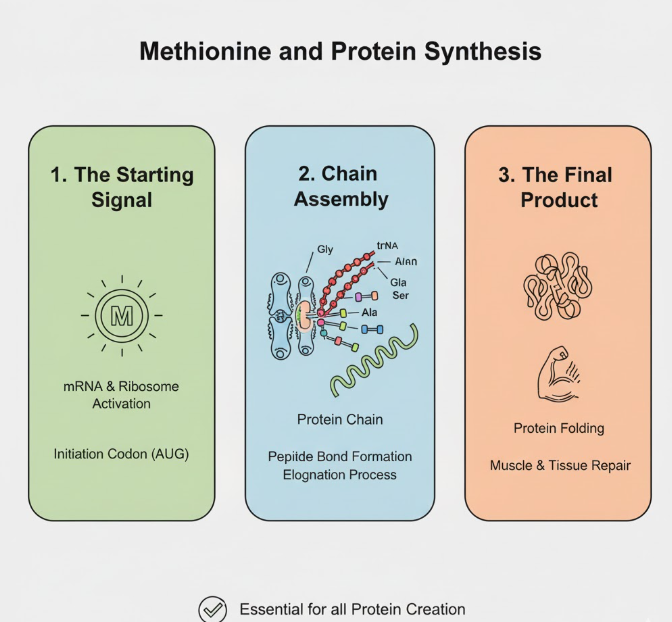
Special Considerations for Various Diets
The impact of different eating patterns on the intake of methionine is varied.
Vegetarian and Vegan Diets
Plant proteins mostly have lower levels of methionine in comparison to animal proteins. Nevertheless, the intake is guaranteed when there is a combination of plant foods.
Legumes combined with grains, nuts, and seeds are the sources of all the necessary amino acids, including enough methionine.
High-Protein Diets
Individuals on high-protein diets to lose weight or build muscle normally get more than what they need in methionine. The key issue is to make sure that there is a sufficient intake of B vitamins to facilitate the metabolism of methionine.
Restricted Calorie Diets
Certain studies indicate that the restriction (rather than deficiency) of methionine could be able to prolong animal lifespan. Nevertheless, its application to human beings is debatable and not clearly defined.
Connection of Methionine and Health Conditions
Studies are still ongoing to determine the relationship between methionine and numerous health situations.
Liver Health
Methionine is widely used in detoxification and fat metabolism by your liver. SAMe is the chemical derivative of methionine that aids in the work of the liver to process the toxins and have healthy functioning.
Nonetheless, individuals who have a specific liver condition might be required to be cautious of the consumption of methionine because their processing capabilities might not be normal.
Mental Health
There has been promise of SAMe supplements which are derivatives of methionine in the treatment of depression. Certain researchers are of the view that SAMe might be as effective as some antidepressant drugs.
Neurotransmitter production is assisted by the methylation reactions under the support of methionine and has an effect on mood and cognitive performance.
Cancer Research
The interaction between methionine and cancer is complicated. Methionine requirements of cancer cells are usually high. There is some research on the application of methionine-restricted diets as treatment of cancer.
This study is however preliminary. Methionine should not be limited by healthy persons without medical supervision.
Common Sense Nutrition Tips for Optimal Methionine Intake
You do not have to be obsessed with methionine, though, these are the basic measures to make sure that it is taken:
Eat many diverse sources of protein. Alternate between animal and plant proteins.
Don’t skip breakfast. Eggs are very good morning sources of methionine.
Include fish twice weekly. Fish is a source of methionine and omega-3 fatty acids.
Snack on nuts and seeds. Plant-based methionine is found in Brazil nuts and sesame seeds.
Promote the metabolism of methionine. Eat lots of green foods and grains in abundance to get B vitamins.
Stay balanced. Do not eat a lot or a little protein, unless medically recommended.
Frequently Asked Questions
What would occur in case I do not get sufficient methionine?
In the absence of essential methionine, your body is not able to effectively create proteins. The effects of this may include weakness of the muscles, slow healing of wounds, fatigue and low immunity. Nevertheless, extreme deficiency is uncommon in individuals with diverse diets.
Is it possible to use methionine supplements?
Methionine supplements are available though the majority of people do not require them. Consumption of food with methionine is also safer and provides other good nutrients. Only use supplements under medical advice.
Can vegetarians get sufficient methionine?
Yes, the easy way to get methionine is by using eggs and dairy for vegetarians. Plant proteins such as legumes, grains, nuts, and seeds should be consumed in a variety of ways so that vegans can get an adequate amount of them.
Does cooking destroy methionine?
Cooking does not decrease the level of methionine significantly in foods. But there are amino acids that can be affected by excess heat or length of time cooking. Methionine is maintained well in normal cooking techniques.
Is methionine the most important amino acid?
All essential amino acids are critical. Methionine is special in the sense that it initiates protein synthesis yet all the amino acids are required in the correct proportion in order to maintain good health.
How fast is the rate at which the body utilizes methionine following intake?
Food amino acids start entering the blood within 30 minutes to 2 hours. After absorption, your cells will be able to begin utilizing methionine to make proteins.
The Bottom Line
Methionine is essential in protein synthesis. Being the initial amino acid in all protein chains, it initiates the assembly of thousands of varied proteins in your body that it requires to operate.
This amino acid is necessary for so much more than it starts protein formation. It aids in reactions involving methylation, the formation of other vital products, and aids in many health functions in your body.
Most people find it easy to get sufficient methionine. Naturally, a well-balanced diet with proper protein in a wide range of sources is what you need. Pay attention to the consumption of whole foods, animal and plant proteins, and the promotion of nutrients such as B vitamins.
Aware of the relationship between the synthesis of methionine and proteins, you will see how beautifully complex the system of your internal building is. Each and every meal that you consume is the raw material of this constant construction process. The methionine that will form the initial step in millions of new protein chains that you will require to support your health is present in every bite of protein-rich food.
The way your body changes simple amino acids in food into the complex proteins in which all the tissues and organs are built and maintained is quite amazing. The first stage in this process is methionine which is the key starting point that enables all protein synthesis.