Introduction
Did you ever read a can of diet soda and see a warning on phenylalanine on it? Or is it that you heard this word in health class or have read it on nutrition labels?
Phenylalanine is an amino acid which is very essential in your body. However, what does it mean? And what do you have to do with it?
This guide separates all that you need to know about phenylalanine down into simple and everyday language. You will learn what it is and where you can get it and how it is important to your health.
No complicated science talk. No confusing medical terms. Information that is simple and just plain common sense.
Now we can go and see this interesting building block of life.
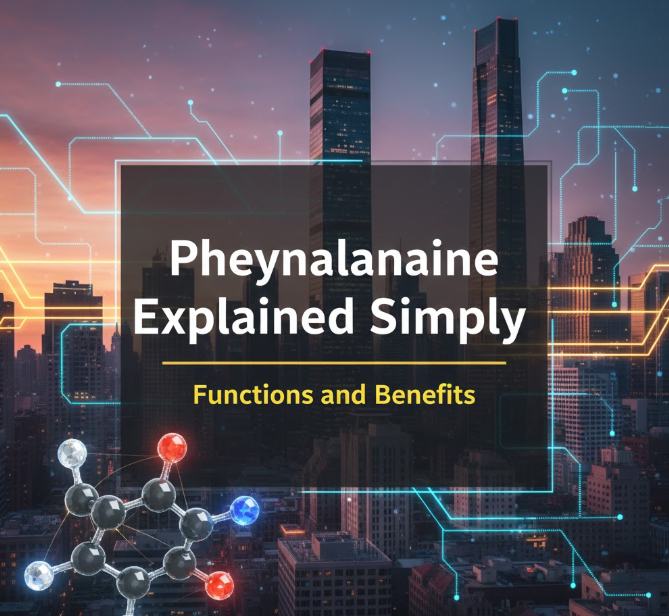
What Is Phenylalanine?
Imagine amino acids to be little blocks which assemble to form proteins in your body. The proteins are all around you; in your muscles, skin, hair, and even brain.
One of such building blocks is phenylalanine. It is a vital amino acid and this means that it cannot be produced by your body. You must derive it out of the food you are taking.
When phenylalanine gets to your body, it works. It assists in the formation of other significant substances that keep you healthy and operating as expected.
There are Three Varieties of Phenylalanine
Phenylalanine is not always the same. In fact, it has three different forms:
L-phenylalanine: This is the natural one that will be found in foods. This type is used in the construction of proteins and the formation of brain chemicals by your body.
D-phenylalanine: It is a laboratory-produced synthetic counterpart. Not found in food but it sometimes occurs in supplements.
DL-phenylalanine: This is a mixture of both the L and the D forms. This is a mixture that is found in certain dietary supplements.
In the majority of cases, most individuals refer to phenylalanine used in food or health with reference to the L form.
Why Phenylalanine Is a Requirement of Your Body
Phenylalanine performs a number of important tasks in your body. We should understand why this amino acid is so valuable.
Building Proteins
To begin with, phenylalanine aids in protein construction in your body. These are the proteins that constitute your muscles, organs and tissues.
Your body is unable to produce and repair these important structures without having sufficient amounts of phenylalanine.
Creating Brain Messengers
This is where the interesting part comes in. Phenylalanine is converted to another chemical substance referred to as tyrosine. Then the chemical substance tyrosine is converted into a number of important chemicals in the brain:
- Dopamine: This is what makes you feel reward and pleasure.
- Norepinephrine: Makes you stay alert and focused.
- Epinephrine: It prepares you to fight (the fight or flight hormone).
These brain messengers influence your mood, energy level and thinking.
Making Melanin
Phenylalanine is also used by your body to make melanin. This is the coloring matter of your skin, your hair and your eyes.
The melanin also helps to protect your skin against sun rays that are dangerous.
Foods Rich in Phenylalanine
The good news? Phenylalanine is common in most foods. It is likely that you are already eating it without even knowing.
High-Protein Animal Foods
The richest sources of phenylalanine are these foods:
| Food | Size | Phenylalanine Content |
|---|---|---|
| Chicken breast | 3 ounces | 1,100 mg |
| Beef | 3 ounces | 1,000 mg |
| Salmon | 3 ounces | 900 mg |
| Eggs | 1 large | 350 mg |
| Milk | 1 cup | 400 mg |
| Cheese | 1 ounce | 300 mg |
Plant-Based Sources
Phenylalanine is found in the following foods used by vegetarians and vegans:
- Soybeans and tofu
- Lentils and beans
- Chickpeas
- Peanuts and almonds
- Pumpkin seeds
- Quinoa
Everyday Foods
You also receive smaller amounts from:
- Bread and pasta
- Rice
- Oats
- Corn
The majority of individuals consuming a balanced diet do not struggle to take in enough phenylalanine.
How Much Do You Need?
For the body to function, it requires a specific quantity of phenylalanine daily.
Daily Requirements
In healthy adults, specialists prescribe approximately 33 milligrams per kilogram of body weight each day.
The real-life version of that would be as follows:
- A 150-pound individual requires 2,250 mg/day
- A 120-pound individual requires approximately 1,800 mg/day
- A 180-pound person needs 2,700 mg per day
Getting Enough Is Easy
These needs are met by most people with normal meals. One glass of milk and one breast of chicken will supply your daily needs.
Kids, adolescents, and pregnant women might require a little bit more to help them grow and develop.
Health Benefits That You Must Know
Phenylalanine does not merely construct proteins. It has been proposed that it has a number of health benefits.
Mood Support
Due to the involvement of phenylalanine in the synthesis of dopamine, it can uplift the mood and decrease depression.
There is some evidence that it may be useful among individuals who are coping with depression but further research is required.
Pain Relief
Phenylalanine in D-form could be used to alleviate chronic pain. It seems to act by keeping alive natural pain-relieving chemicals in your brain.
Others take the supplement of DL-phenylalanine in case of arthritis or back pain.
Skin Conditions
In some cases, phenylalanine is used together with light therapy as a treatment of vitiligo by doctors. This disorder leaves the skin with white patches.
The amino acid is used to treat lost pigment on the affected areas.
Memory and Focus
Because the production of brain chemicals, which aid in alertness, is created by phenylalanine, it may contribute to improved concentration and mental sharpness.
Nonetheless, consuming foods that contain phenylalanine will not make you a superhero in a day.
Who Needs to Be Careful?
Phenylalanine is absolutely safe for most individuals. However, there are those who should be careful with the consumption.
Phenylketonuria (PKU)
This is the big one. PKU is a genetic disease in which only between 1 in 10,000-15,000 babies born in the United States are affected.
Individuals affected with PKU are unable to break down phenylalanine. It accumulates in their bloodstream and may create severe issues:
- Brain damage
- Intellectual disabilities
- Seizures
- Behavioral issues
PKU is tested on infants immediately after birth. The patients should adhere to a lifelong low-phenylalanine diet.
Taking Certain Medications
Phenylalanine may interfere with certain drugs, in particular:
Monoamine oxidase inhibitors (MAOIs): These are antidepressants, which do not interact well with phenylalanine. This mixture is dangerous in terms of elevating blood pressure.
Antipsychotic medications: Phenylalanine may have an adverse effect on the effectiveness of these medications.
Never forget to inform your doctor of any supplements you are taking.
Pregnancy and Nursing
Women carrying the pregnancy with PKU require special attention. The excessive levels of phenylalanine may cause damage to the developing baby.
But women that have no PKU should not worry. Normal dietary phenylalanine has not been contraindicated in pregnancy.
Phenylalanine and Artificial Sweeteners
Have you ever wondered why diet sodas contain a warning that has phenylalanine?
Aspartame Connection
Aspartame is a man-made sweetener that is contained in diet beverages, sugar-free gum, as well as low-calorie foods. When aspartame is broken down in the body it forms phenylalanine.
This is not a problem for the majority of people. The amount is small.
However, aspartame should be avoided by people with PKU. This is the reason why any product that has it has warning labels.
Some of the Common Products Containing Aspartame
- Diet sodas and energy drinks
- Desserts and candy, sugar-free
- Light yogurt
- Protein bars
- Chewing gum
The labels on ingredients should always be checked in case you have to avoid phenylalanine.
Supplements: Do You Need Them?
Go to any health food shop and you will find phenylalanine supplements. But do you actually need them?
When Supplements Might Help
The majority of the population has a sufficient intake of phenylalanine in food. Supplements may however be helpful for:
- Athletes who need help with muscle recovery
- Patients with certain mood disorders (under the surveillance of a doctor)
- Professionals working with chronic pain
- People with absorption issues
Important Safety Notes
Never begin taking phenylalanine supplements without consulting a medical professional.
High doses might cause:
- Headaches
- Anxiety and jitters
- Nausea
- Heartburn
- High blood pressure
You should begin with low doses in the event you are taking supplements and you need to watch your body’s reaction.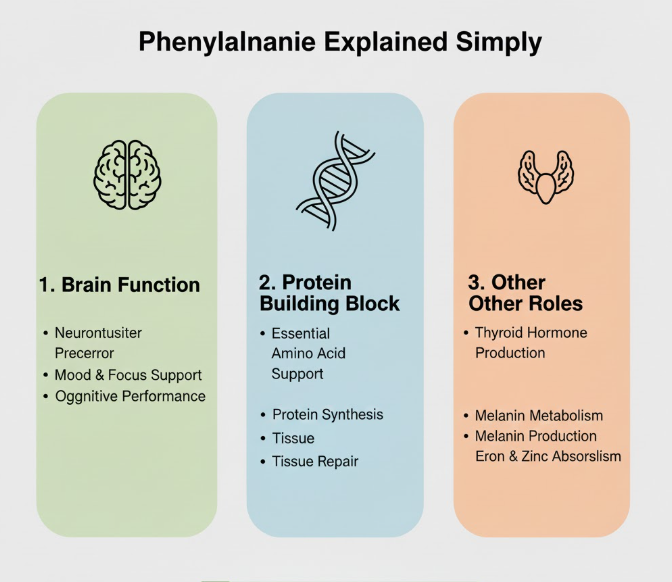
The Symptoms If You Don’t Have It
In normal individuals with diverse diets, the occurrence of phenylalanine deficiency is low. But it can happen.
Possible Symptoms
Low levels of phenylalanine may result in:
- Confusion and brain fog
- Low energy and fatigue
- Depression or mood changes
- Skin problems
- Lack of appetite
- Memory issues
There are numerous causes to these symptoms and therefore do not self-diagnose. See a doctor in case you are worried.
Who’s at Risk?
The most likely deficient people are:
- Those with eating disorders
- Individuals who are malnourished
- Individuals who have some digestive diseases
- People that adhere to highly restrictive diets
Can You Have Too Much?
Deficiency is rare but can one have excess phenylalanine?
Overdose Risks
Very large quantities may result in issues such as:
- Nerve damage
- Kidney issues
- Exacerbation of some mental health illnesses
However, such effects normally occur at very large amounts of supplements but not by consuming normal foods.
Balance Is Key
When you get amino acids in the form of food then your body is good at regulating them. Problems usually arise from:
- Using too much supplements
- Combinations of amino acid supplements
- Disregard of medical conditions
Prefer the use of food sources and limit use of supplements.
Phenylalanine: The Science
We shall peep behind the curtain, and see what happens when phenylalanine comes into your body.
The Conversion Process
After you ingest phenylalanine, your body takes it through the following route:
- Proteins are digested to amino acids
- Phenylalanine penetrates into your blood
- It is changed to tyrosine by an enzyme known as phenylalanine hydroxylase
- Tyrosine is then transformed to dopamine, norepinephrine and others
Vitamin B6, vitamin C and other nutrients are required to make this process effective.
Why PKU Happens
Individuals who have PKU lack or possess a defective copy of phenylalanine hydroxylase. The inability of phenylalanine to be converted to tyrosine occurs without this enzyme.
Instead, the amino acid gathers up to toxic levels in both blood and brain.
Phenylalanine in Research
Researchers are still working on phenylalanine to discover more of its benefits.
Current Studies
Researchers are looking into:
- Its use in the treatment of depression
- Effects on ADHD symptoms
- Prospects of weight control
- Sports performance advantages
- Therapy of chronic pain disorders
Certain findings are encouraging, and others require further support.
What We Still Don’t Know
There are numerous questions that cannot be answered:
- What is the best dose used for various conditions?
- How does it interact with different drugs?
- Are there any long-term risks?
However, science is slow and further studies will enable us to know more about phenylalanine.
Useful Advice for Our Everyday Life
Below are just a few easy methods of ensuring that you are getting an appropriate amount of phenylalanine.
Eat a Varied Diet
Add variety to the sources of protein during the week:
- Combine animal and vegetable proteins
- Try new foods regularly
- Do not use a single source of protein
Read Labels Carefully
In case you have PKU or should count intake:
- Check products for aspartame
- Check nutrition labels for protein
- Be aware of hidden sources
Work with Professionals
If you have health concerns:
- See a registered dietitian
- Have frequent blood tests as advised
- Seek medical guidance with regard to your case
Don’t Overthink It
Phenylalanine is not a cause of concern for most healthy individuals. Eat good, stay updated, and have confidence in your body.
Frequently Asked Questions
What are the high phenylalanine foods?
The highest concentration of phenylalanine is found in meat, fish, eggs, and dairy products. Good sources include soybeans, lentils and nuts among the plant foods.
Is phenylalanine safe for children?
Phenylalanine is safe and needed by children to grow and develop, with exceptions of children diagnosed with PKU when a special diet is required.
Will phenylalanine help me lose weight?
Others have stated that phenylalanine could be a good idea to control appetite, but it has not been a magic pill to lose weight. Exercise and a balanced diet are the most important.
What is the warning on diet soda about phenylalanine?
Aspartame is present in diet sodas and it breaks down to phenylalanine. The alert safeguards individuals with PKU who have to shun this amino acid.
Is phenylalanine destroyed by cooking in food?
Nope, regular cooking temperatures do not have a considerable effect on the levels of phenylalanine in food. Cooked meals will continue to provide you with the amino acid.
Can a vegan diet provide sufficient phenylalanine?
Absolutely. Vegans and vegetarians get abundant phenylalanine by consuming plant-based products such as beans, lentils, soy, nuts, and seeds.
What is the effect of excess phenylalanine supplement?
Extremely high doses can lead to headaches, anxiety, high blood pressure and digestive problems. Take the recommended doses and consult a medical professional.
Wrapping It Up
Phenylalanine is a vital amino acid that your organism requires on an everyday basis. It aids in the construction of proteins, the production of significant brain chemicals and moreover it aids in numerous other body functions.
The majority of individuals find everything they need in their normal diet without lack of extra effort. This is a nutrient found in meat, fish, eggs, dairy, beans and nuts.
The primary exception is individuals with PKU, who need to pay special attention to the level of phenylalanine in their lives.
For the rest of the world, phenylalanine is simply another justification for having a balanced, diversified diet. Eat smart and simple, have variety of protein sources, and do not worry about the specifics.
When you give it to your body, it will know what to do with the phenylalanine. Feel the faith, keep yourself up to date, and have pleasure in eating.
Phenylalanine does not necessarily need complicated understanding. You are now well informed and can make a healthy decision about what you eat.