How Do Your Cells Work Each Second?
Trillions of cells in your body are continuously working at every moment of your life. They are making new tissues, resisting germs, sending messages to your brain, and giving you a desire to move and think. But what drives all this action? The solution is in minute molecules known as amino acids.
The amino acids are the LEGO blocks of your body. Similarly to how you can construct various structures using LEGO pieces, your cells can use amino acids to construct thousands of various proteins. This is where these proteins play nearly all the roles that your body requires to survive and prosper.
In this paper, we shall discuss the relationship between amino acids and cell functioning. You will find out what amino acids are, how they aid in the functioning of your cells and why they are so essential to your health. No matter what your major is or you are simply curious about how your body functions, this guide will simplify all of it.
The Building Blocks: What Are Amino Acids?
Amino acids are small molecules that consist of carbon, hydrogen, oxygen, and nitrogen atoms. The number of amino acids that are found naturally is approximately 500 yet only 20 are used by your body to create proteins.
All these 20 amino acids can be divided into three categories:
Essential Amino Acids: These are the ones that your body cannot synthesize and therefore it has to be obtained through food. Nine essential amino acids include histidine, isoleucine, leucine, lysine, methionine, phenylalanine, threonine, tryptophan and valine.
Non-Essential Amino Acids: These are produced by your body regardless of them being consumed. The eleven non-essential amino acids are alanine, asparagine, aspartic acid and glutamic acid.
Conditional Amino Acids: Generally your body produces sufficient amounts of these, however, in times of sickness or stress, they may have to be increased by food. They are arginine, cysteine, glutamine, and tyrosine.
All amino acids possess a basic structure where one end has an amino group and the other one has an acid group. The peculiarity of each one is the side chain on the middle. This side chain will make the amino acid act and what functions it can perform in your cells.
Amino Acids Are Used by the Cells in Their Daily Activities
Your body cells are miniature factories, which do not sleep. They always operate hundreds of various tasks with the help of amino acids. We shall take a glimpse of how cells enlist amino acids to work.
The Major Work Is the Production of Proteins
The most significant task of amino acids is the construction of proteins. Your cells connect the amino acids in chains, in the form of beads on a string. These strands are in turn folded into a particular shape to form proteins.
The amino acids form proteins which are of different combinations and structures. A sequence of 50 amino acids may turn into an enzyme and aid in food digestion. It may result in a hormone consisting of a chain of 300 amino acids and regulate your growth.
More than 100,000 types of proteins are found in your body. Each one has a specific job:
- Structural proteins such as collagen provide support to your skin, bones and tendons.
- Enzymes accelerate chemical reactions which make you alive.
- Antibodies struggle with bacteria and viruses.
- Hormones are messages that are passed through the various parts of your body.
- Transport proteins transport oxygen, vitamins and other substances by means of your blood.
Your cells are unable to synthesize any of these proteins without amino acids. We would not have life the way we know it.
Energy Creation When Needed
Although carbohydrates and fats are the two better sources of energy to your body, amino acids may also be used where there is a need to supply energy. This normally occurs when the body is engaged in some vigorous activity, not eating, or eating insufficient amounts of calories.
Amino acids are broken down in your cells by a pathway that eliminates the nitrogen component and transforms the remainder into molecules that feed into your pathways of energy generation. Certain amino acids may be directly translated into glucose providing your brain with the sugar to operate.
Nevertheless, it is not optimal to use amino acids to generate energy. Your body would rather store them to be used in building proteins and other vital activities. That is why consuming the amount of carbohydrates and fats is necessary to save your amino acids in more important activities.
One Method of Producing Significant Molecules
Other than protein synthesis, amino acids can be used to synthesize other important types of molecules that are required by your cells.
The amino acid tryptophan is then transformed into serotonin, one of the chemicals in the brain that influence your mood and sleep. This turns tyrosine to dopamine and adrenaline which are involved in regulating your attention and reaction to stress. Amino acids such as glycine are used to form creatine that aids in storing energy in your muscles.
Amino acids are also used in nucleotide synthesis in your cells, the building blocks of DNA and RNA. These genetic molecules made the division, growth and transfer of information to the next generation of cells impossible without them.
The Protein Assembly Line: Coding to Function
The fact that cells convert amino acids into functioning proteins can be used to understand why these molecules are so significant. The procedure occurs in two phases.
Reading the Instructions
DNA is a kind of instruction that is found in every cell in your organism. The code of each protein is found in specific parts of DNA called genes. When a cell requires a specific protein it transfers the instructions in that gene onto a molecule known as messenger RNA (mRNA).
Consider mRNA a provisional copy of a cookbook recipe. This copy allows the cell to utilize it without necessarily opening the valuable original DNA cookbook every time it is required.
Building the Protein Chain
The mRNA is transported to the sites of protein synthesis known as ribosomes, which are protein building machines. Ribosomes read the mRNA code in a three letter stretch. The ribosome is directed by each three letter-long code on where to insert the next amino acid to the growing protein chain.
The correct amino acids are delivered to the ribosome by Transfer RNA (tRNA) molecules. Every tRNA contains a certain amino acid and identifies certain three-letter codes on the mRNA. Once the tRNA recognizes its corresponding code it releases its amino acid and the ribosome connects it onto the chain.
This goes on until the ribosome encodes a stop code on the mRNA. The final protein shape is then released into the completed amino acid chain.
The Differences in Amino Acids Usage by Different Cells
Not every cell utilizes the amino acids in a similar manner. The work of different cells varies hence varying quantities and kinds of amino acids are required by them.
Muscle Cells: Power and Remodeling
Proteins known as actin and myosin are packed in muscle cells. These proteins slide one over another in order to cause your muscles to contract. During exercise, you damage fibers of muscles in minute tears. Muscle cells of your body use the amino acids, particularly leucine, isoleucine and valine, to fix the damage and create muscles even stronger.
This is why sportspeople and individuals that exercise frequently require greater amounts of protein in their diets. Their muscle cells are in a state of constant degradation and restructuring of proteins.
Liver Cells: Processing Center
Your liver is the chemical factory of your organism. The liver cells have more than 500 functions to play, most of them are related to amino acids. They decompose the old proteins and amino acids, eliminate the toxic ammonia by converting it into urea and synthesize new amino acids which are required by your body.
Most of the proteins used in your blood are also manufactured by liver cells such as albumin which helps in keeping blood pressure normal and clotting factors which prevent bleeding when you are cut.
Brain Cells: Communication Specialists
Neurons are brain cells that utilize the amino acids into producing neurotransmitters, which are the chemicals allowing messages between brain cells. These cells require constant intake of certain amino acids in order to have the normal brain functioning.
As an example, your brain is unable to produce sufficient serotonin without sufficient tryptophan, and this may have an impact on your mood and sleep. Lack of tyrosine can decrease the manufacture of dopamine and norepinephrine, which could affect concentration and interest.
The Amino Acid Supply Chain
Amino acids are a constant requirement of your cells to maintain functioning. You get this supply in two distinct ways, one through your diet, and the other through the system of recycling your body does.
The Best Source of Amino Acids Is the One Obtained Through Food
When you consume food rich in protein such as meat, eggs, beans or nuts, your digestive system separates the proteins into separate amino acids. These are the amino acids which are absorbed into your blood and pass to the cells in your body.
The types of foods have various ratios of amino acids. Proteins in animals such as chicken, fish and dairy are normally complete and may have all the required nine essential amino acids in the required quantities. Plant proteins do not always contain all the essential amino acids, but a combination of various plant foods may give complete protein.
Recycling and Making More
The human body is so efficient in the recycling process. Approximately 250 grams of protein in your body break down to amino acids each day. The major percentage of these amino acids is reused in the formation of new proteins.
Other molecules can also be converted into non-essential amino acids by your liver and other cells. To illustrate, the cells have the capability of changing one amino acid to the other when necessary, but not to synthesize the essential ones.
This recycling system implies that you do not have to consume huge quantities of protein daily. Nonetheless, some dietary protein on a regular basis is required to replace amino acids that are used as energy, or to transform into other molecules.
Amino Acid Balance Problems: When Amino Acid Balance Goes Awry
What follows the lack of sufficient amino acids in cells or the lack of balance in the various amino acids? The effects may be mild and even severe.
Protein Deficiency
When you starve or do not get sufficient protein over a long period of time, your cells are unable to manufacture every protein required. To get amino acids your body begins to decompose muscle tissue to use them in other more important processes such as the production of antibodies and enzymes.
Symptoms of protein deficiency are:
- Muscle loss and weakness
- Pitting edema of legs, feet, or belly
- Hair is thin, brittle and falls out easily
- Slow wound healing
- Frequent infections
- Difficulty concentrating
Metabolic Disorders
There are also individuals who are born with genetic disorders that make their cells unable to process some amino acids properly. An example of such a person is individuals with phenylketonuria (PKU) who are unable to break down the amino acid phenylalanine. When accumulated, it may destroy the brain. Individuals affected with PKU are required to take special low protein diet throughout their lives.
There are other disorders which influence the conversion of the amino acids in energy or other substances by the cells. These conditions are not only to be properly medically controlled, but usually specialized diets.
Promoting Healthy Cellular Performance With Nutrition
Smart food choices will assist you in helping your cells get the necessary amino acids. Here is the way to maintain an optimal amino acid intake and cellular activity.
Eating Enough Protein
The average adult requirement is approximately 0.8 grams of protein in every kilogram of body weight per day. That translates to approximately 55 grams of protein per day in case of a 150-pound individual. Teens, pregnant women, and active people require more.
Examples of good sources of proteins are:
- Lean meats, poultry, and fish
- Eggs and dairy products
- Beans, lentils, and peas
- Nuts and seeds
- Vegan items such as tofu and tempeh
- Whole grains like quinoa
Eating a Variety of Proteins
Proteins have varying amino acid compositions. Consumption of various protein foods will also make sure that you receive all the amino acids your cells require in appropriate quantities.
This occurs naturally in the event that you eat animal products. In case you are on a plant-based diet, mix alternative plant proteins in a day. As an illustration, rice does not contain lysine, whereas beans contain a lot of lysine, and less methionine. Coupled with rice and beans, one gets all the essential amino acids.
Timing Matters Too
Amino acids should be supplied to your cells in a constant amount. The distribution of protein throughout the day will sustain this supply in a better way as compared to consuming all your protein at a single meal.
To build and repair our muscles, protein ingestion within the period of several hours after the exercise provides the muscles with amino acids, which they can most effectively utilize during the repair and growth processes.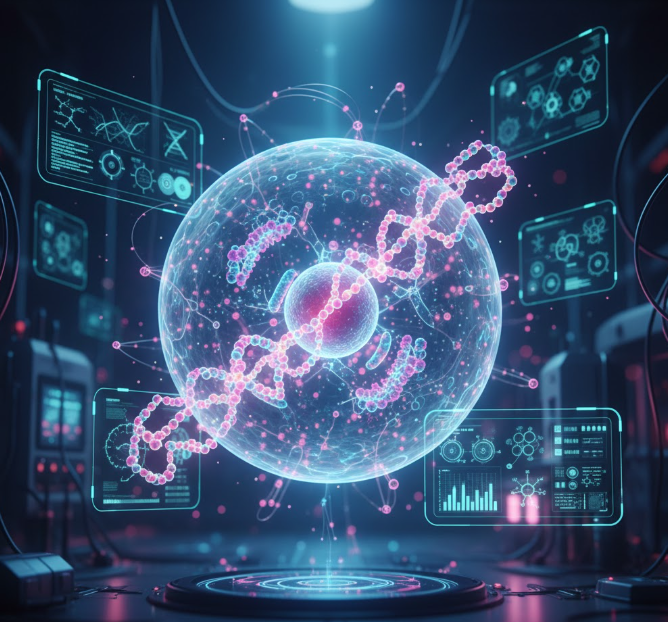
The Future: Amino Acids and Cells Research
Researchers have been finding more and more applications of the amino acids on the cell functioning. The research at present is investigating promising possibilities.
Scientists are investigating the possibility that certain amino acid supplements can be useful in the treatment of some illnesses. Certain amino acids have potentials of enhancing liver functioning, increasing the activity of the immune system, or preserving the brain cells against deterioration.
The question of how cells detect the level of amino acids and modify their activities based on them is being explored by other scientists. This study may result in the development of new cancer treatment therapies, as cancerous cells usually possess varying amino acid requirements, as compared to ordinary cells.
A deeper understanding of cellular action and amino acids may also someday result in your own unique nutritional plans depending on your own cell needs and genetic composition.
Key Takeaways
| Aspect | Key Points |
|---|---|
| What amino acids do | Construct proteins, serve as an energy source, form significant molecules such as neurotransmitters |
| Types of amino acids | Essential amino acids (9), non-essential amino acids (11), and conditionally essential amino acids |
| How cells use them | Protein synthesis, production of enzymes, cell signaling, energy production |
| Daily protein requirements | Approximately 0.8 grams per kilogram of body weight in adult persons is the general protein requirement |
| Best sources | Meat, fish, eggs, dairy, beans, nuts, seeds, whole grains are the best sources of protein |
| What may go wrong | Weakened immunity, muscle loss, protein deficiency, metabolic conditions, etc. |
Wrapping It All Up
Amino acids and cell functioning are interconnected. Almost all of the processes that keep your cells alive and working are powered by these small molecules. Amino acids are involved in constructing the proteins that constitute your muscles and organs, in the formation of the brain chemicals that control your thoughts and your feelings.
Your cells are so good at utilizing amino acids, that they make use of the majority of what they decompose and even synthesize certain amino acids. They still however rely on you to supply necessary amino acids via your diet.
Learning the need of amino acids in cellular functioning will help you make better decisions regarding the foods you consume. Diet that is highly diversified in protein sources provides your cells with building blocks to maintain, sustain and keep you in a healthy, strong and energetic condition.
The next time you sit down to take a meal that contains protein in it, keep in mind that you are not putting food in the stomach. You are supplying your whole body with billions of cells that are in need of the amino acids to assemble, rebuild, and repair themselves. It is so amazing when you consider it.
Frequently Asked Questions
What is the number of amino acids utilized by the human cells?
There are 20 amino acids that human cells use in constructing all the proteins that your body requires. Although there are hundreds of amino acids on Earth, these 20 were the ones that were coded in your DNA and are utilized in the synthesis of proteins.
Does your body produce all the amino acids that it requires?
No, your body is only able to produce 11 out of the 20 amino acids. The remaining nine are referred to as essential amino acids and they have to be acquired in the food that you consume. The cells cannot work without these essential amino acids.
From food to your cells, how long does it take?
Your digestive system breaks down proteins into amino acids after you have eaten it in 2-4 hours. These amino acids get into your blood and can get to cells in your body within 15-30 minutes of absorption.
Have plant proteins all the required amino acids?
The plant proteins do not contain all the essential amino acids in the right quantity. Nevertheless, consumption of plant proteins in ample amounts over the day gives all the essential amino acids. Quinoa and soy are complete plant proteins and they have all the essential amino acids.
Why should athletes have more protein than other individuals?
Muscle protein breakdown is brought about by exercise. This damage requires additional amino acids in athletes to repair and create new muscle tissue. They usually require 1.2-2.0 grams of protein per kilogram of body weight per day, as opposed to 0.8 grams of the same among non-athletes.
What becomes of the excess amino acids in your body?
The body is not able to store additional amino acids in the same way it stores fat or carbohydrates. The surplus amino acids are decomposed by the liver cells. The nitrogen component is excreted in the urine as urea and the remainder can be used to generate energy or fat.