
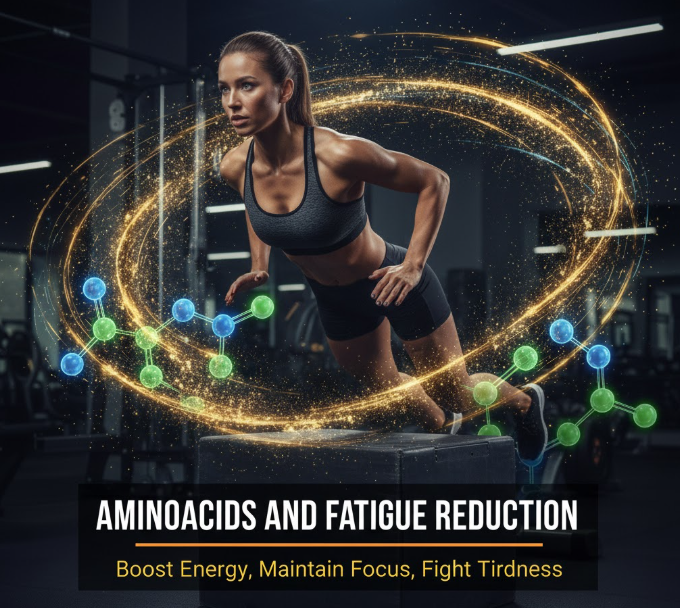
Check Out the Reason Why You Are Always Tired
Do you pull yourself through the day feeling tired? You have tried coffee, energy drinks, or even naps but nothing appears to help. It may not be the problem you are putting into your day—it may be the problem that is not in your body.
Your body requires fuel in the form of your muscles, brain and organs. When your body is deprived of some nutrients, your body becomes like a phone that is low in battery. That is where the amino acids come in.
Proteins are made up of amino acids and are used by the body to construct proteins. They are the source of the power of your muscles and your brain cells. When you have not enough, exhaustion engulfs you and gets hold of your life.
In this article, you will get to know how exactly amino acids combat tiredness, which ones are most effective and how to take them to get recovered once again.
What Are Amino Acids Anyway?
Amino acids are building blocks. Similar to LEGOs which are made up of smaller pieces that can be joined to construct various things, amino acids can be joined to form proteins.
There are thousands of proteins present in your body. Each one has a specific job. Some proteins build muscle. Others carry oxygen in your blood. There are numerous things that regulate chemical reactions that sustain your life.
You have 20 amino acids that your body utilizes. Nine of them are termed as essential since your body is not able to produce them. You must get them from food.
The Three Categories
Essential Amino Acids: Your body has no ability to make them. You need to eat them. Examples include leucine, isoleucine and valine.
Non-Essential Amino Acids: These are produced by your body. Alanine and glutamine are examples.
Conditional Amino Acids: These are generally produced by your body, although you may require additional conditional acids when you are sick or stressed. Examples are tyrosine and arginine.
Lack of sufficient protein in the food you eat or lack of proper food types causes deficiency of essential amino acids. That’s when problems start.
Amino Acids and Fatigue Have a Real Relationship
Fatigue does not mean being sleepy. It is a heavy fatigue which has been experienced by your entire body and mind. Amino acids combat fatigue in a number of effective ways.
The Power That Comes Out of Your Cells
Mitochondria are miniature power plants found in your cells. These structures break down food to energy that can be used by your body. A number of amino acids facilitate the work of mitochondria.
You generate more ATP—the molecule that drives all activities in your body—when mitochondria are working well. Higher ATP implies greater power to you.
Brain Chemical Balance
Neurotransmitters are specific chemicals that are sent in your brain. These are chemicals that take control of your mood, concentration and energy level.
Amino acids are the precursors of many neurotransmitters. For example:
- Tyrosine forms the dopamine which is making you inspired
- Tryptophan synthesizes serotonin for mood and sleep
- Glutamine promotes GABA, which relaxes your nerves
Your brain is not able to produce the necessary neurotransmitters when the concentration of amino acids is reduced. You are feeling cloudy, exhausted, and demoralized.
Muscle Recovery and Strength
Working out destroys muscle cells. This is normal and healthy. To repair them, your body requires amino acids.
Your muscles remain damaged longer without sufficient amino acids. This leads to constant fatigue and weakness. A simple workout may leave you sore several days afterward.
Fighting Inflammation
Persistent inflammation wears you out. It puts your immune system to overtime, draining it of resources that your body can use to carry out other activities.
Some of the amino acids are anti-inflammatory. They contain elements that aid in the reduction of hyperactive immune reactions, which allows the release of energy to perform daily tasks.
These Are the Best Amino Acids That Combat Fatigue
Not every amino acid has an equal impact on the energy level. These are the most effective ones in alleviating fatigue.
Branched-Chain Amino Acids (BCAAs)
BCAAs consist of leucine, isoleucine and valine. These three are team players.
How they help:
- Decrease the degradation of muscles during exercise
- Reduce mental exhaustion on extended functions
- Reduce post-exercise fatigue
- Promote muscle repair protein synthesis
BCAAs are usually used in sports and by people who exercise a lot in order to stay energized. But even ordinary people benefit from sufficient BCAAs.
L-Carnitine
L-carnitine is not a true amino acid, it is a compound derived from two amino acids (lysine and methionine). However, it is very important in energy production.
How it helps:
- Transports fatty acids to mitochondria to generate energy
- Enhances physical performance
- Lessens the feeling of fatigue
- Supports brain function
Research indicates that individuals who are experiencing chronic fatigue have low L-carnitine. A difference can be made by supplementing.
L-Tyrosine
This is an amino acid which forms a precursor to various significant brain chemicals.
How it helps:
- Promotes the synthesis of dopamine
- Enhances mental ability when stressed
- Increases concentration and attention
- Reduces mental fatigue
L-tyrosine is a good one to use when you have insomnia or you are feeling stressed.
Glutamine
The richest amino acid in your body is glutamine. It is consumed in huge quantities by your muscles and immune system.
How it helps:
- Maintains gut health, which impacts energy absorption
- Stimulates immune cells, minimizing fatigue caused by inflammation
- Helps maintain muscle mass
- Helps in recovery after activity
Your body burns glutamine too fast when you are under stress or when you are ill. This may result in chronic fatigue.
Tryptophan
Tryptophan may be familiar to you as the substance in turkey that makes you feel sleepy. Its interaction with energy is more complicated.
How it helps:
- Synthesizes serotonin that controls sleep-wake patterns
- Assists in the production of melatonin to enhance the quality of sleep
- Improves mood and this influences perceived energy
- Assists in setting healthy sleep patterns
Sleep is needed to combat fatigue. Tryptophan makes you have better sleep and thus you wake up refreshed.
Amino Acid Deficiency and Its Effects Causing Exhaustion
Failure to absorb adequate amino acids triggers a series of issues in the body.
Protein Breakdown
When lacking sufficient protein, your body decomposes muscle tissue to obtain the amino acids it requires. This is a process that consumes energy and leaves you more exhausted.
You are literally cannibalizing your own body. That’s not sustainable.
Weakened Immune System
Amino acids are required by the immune system to make antibodies and immune cells. When the levels are low, you fall ill frequently.
Being sick is exhausting. Minor infections may drain you for weeks.
Hormonal Imbalances
Amino acids are used to synthesize many hormones. Hormone production is impaired when you are short.
Low thyroid hormones lead to extreme fatigue. Growth hormone, which aids in recovery and energy, is also influenced by sufficient intake of amino acids.
Poor Sleep Quality
There are a number of sleep-regulating amino acids. Lack of sufficient tryptophan and glycine leads to reduced quality of sleep.
You may spend eight hours in bed yet wake up still feeling like you haven’t slept. Insomnia leads to the cycle of increasing exhaustion.
Foods That Are High in Fatigue-Fighting Amino Acids
Amino acids do not require pills. Numerous everyday foods contain what you are looking for.
Animal-Based Sources
Animal products are sources of all the essential amino acids in the appropriate proportions.
Best options:
- Chicken breast: Richest in all the essential amino acids, low in fat
- Eggs: Excellent amino acid composition, highly digestible
- Fish (salmon, tuna): Has amino acids and omega-3 fats
- Greek yogurt: A blend of protein and probiotics
- Beef: A good source of carnitine and complete protein
Plant-Based Sources
All essential amino acids can be obtained from plant proteins in the right combination.
Best options:
- Quinoa: Among the very few complete plant proteins
- Soy and tofu: Full protein that has all the essentials
- Lentils and beans: High in protein in combination with grains
- Nuts and seeds: Contain amino acids with healthy fats
- Spirulina: All essential amino acids are found in it
Combining Plant Proteins
When eating plant-based, alternate various sources of proteins during the day:
- Rice and beans
- Whole wheat bread and peanut butter
- Hummus with pita bread
- Tofu stir-fry with quinoa
This ensures you have all the necessary amino acids that your body requires.
Amino Acid Supplements: Are You Adequate?
Supplements are not miracle workers, but they can be helpful. Here’s what you should know.
When Supplements Make Sense
Supplements may be useful to you when you:
- Work hard or play sports
- Follow a restrictive diet
- Bounce back after sickness or surgery
- Feel tired even after a full night’s sleep
- Suffer with digestive problems affecting protein absorption
Types of Supplements
BCAA Powders: The typical content of these powders is leucine, isoleucine and valine in 2:1:1 proportion. Combine with water either before or during exercise.
Essential Amino Acid (EAA) Blends: Contains all the essential amino acids. More comprehensive compared to BCAAs alone.
Single Amino Acids: Like L-carnitine or L-tyrosine for a particular requirement.
Protein Powders: Contain all amino acids from whey, plant, or casein origin.
Dosage Guidelines
It is better to use lower doses initially and then increase progressively.
| Amino Acid | Typical Daily Dose | Optimal Time to Take |
|---|---|---|
| BCAAs | 5-10 grams | Before/during exercise |
| L-Carnitine | 500-2000mg | Morning with food |
| L-Tyrosine | 500-1500mg | Morning on an empty stomach |
| Glutamine | 5-10 grams | Post-workout or before bed |
| EAAs | 10-15 grams | Around workout time |
Potential Side Effects
The majority of individuals are able to tolerate amino acids. However, some may experience:
- Upset stomach when ingested without food
- Headaches from high doses
- Interaction with some medications
- Nausea if doses are too high
It is recommended to consult a doctor before taking supplements, particularly when having health conditions or taking certain medications.
Anti-Fatigue Amino Acid Plan
Fatigue cannot be overcome only with amino acids. You need a complete approach.
Step 1: Estimate Your Protein Consumption
Write down what you have eaten over three days. Determine the quantity of protein you consume daily.
Minimum targets:
- Adults who do not exercise: 0.8 grams per kilogram of body weight
- Active persons: 1.2-1.6 grams/kg
- Athletes: 1.6-2.2 grams per kilogram
When you are below these figures, it is likely that you are not receiving sufficient amino acids. For more detailed information on optimizing your amino acid intake, visit aminoacidsguide.com.
Step 2: Distribute Proteins Throughout the Day
Do not consume a lot of protein at once. The maximum amount of muscle building that can be done by the body is approximately 25-40 grams at a time.
Sample distribution:
- Breakfast: 20-30 grams (eggs, Greek yogurt)
- Lunch: 30-40 grams (chicken, fish, or tofu)
- Snack: 10-15 grams (protein shake, nuts)
- Dinner: 30-40 grams (meat, beans or lentils)
Step 3: Time It Right
There are critical periods for amino acid intake:
Morning: Consuming protein in the morning keeps blood sugar levels steady and provides energy throughout the morning.
Pre-Workout: Amino acids inhibit muscle deterioration during work.
Post-Workout: The muscles are starving and in need of amino acids to build and regenerate.
Before Bed: Overnight recovery is promoted by slow-digesting protein.
Step 4: Consider Supplementation
If food doesn’t suffice, supplement with specific options:
- For physical fatigue: Use BCAAs or EAAs during exercises
- For mental fatigue: Consider L-tyrosine in the morning
- For general energy: L-carnitine could be beneficial
- For recovery: Add glutamine after exercise
Step 5: Support Amino Acid Function
Amino acids work better when accompanied by:
- Vitamin B6: Aids in the conversion of amino acids into neurotransmitters
- Vitamin B12: Aids in metabolizing energy
- Magnesium: Needed for protein synthesis
- Zinc: Essential for the production of hormones using amino acids
- Iron: Helps in transportation of oxygen together with amino acids
These cofactors can be obtained by means of a balanced diet or multivitamin.
Lifestyle Factors That Influence the Benefits of Amino Acids
Adequate supply of amino acids is not enough. Their efficiency is dictated by other factors.
Sleep Quality Matters
Despite a perfect intake of amino acids, bad sleep kills energy. Aim for 7-9 hours nightly.
Some amino acids like glycine and tryptophan help in enhancing sleep. Nevertheless, you must have good sleep habits:
- Consistent sleep schedule
- Dark, cool bedroom
- No screens 1 hour prior to bedtime
- Limited caffeine after noon
Stress Management
Stress causes depletion of amino acids. They are used by your body to produce stress hormones and to repair damage that is related to stress.
Practice stress reduction:
- Deep breathing exercises
- Regular physical activity
- Time in nature
- Meditation or yoga
- Social connections
Hydration Levels
Dehydration imitates the symptoms of fatigue. Water is required to carry amino acids to the cells and remove waste products from your body.
Consume at least 8 glasses of water a day. More when you are exercising or in hot climates.
Exercise Balance
Regular activity increases energy levels in the long run. Excessive exercise without sufficient rest exhausts amino acids and causes fatigue.
Find the right balance:
- 150 minutes moderate exercise per week
- 2-3 strength training sessions
- Rest days for recovery
- Sufficient protein following exercises
Real Results: What to Expect
Realistic time planning will keep you on track.
First Week
You might notice:
- Slightly increased exercise recovery
- Less severe muscle soreness
- Small improvements in mental clarity
Remarkable changes are not to be expected. Your body is just beginning to refill amino acid stores.
Weeks 2-4
Benefits become more apparent:
- More consistent energy all day long
- Better performance during exercise
- Faster recovery between training sessions
- More stable mood and focus
This is where the majority of people develop an understanding that the approach is working.
Months 2-3
Long-term benefits emerge:
- Drastically reduced chronic fatigue
- Improved body composition through enhanced recovery
- Enhanced immune function
- Optimal cognitive functioning
Consistency pays off. The effect of taking the appropriate amount of amino acids accumulates and transforms your energy levels.
Common Mistakes to Avoid
Despite good intentions, individuals commit mistakes that frustrate outcomes.
Mistake 1: Inadequate Total Protein Intake
It is impossible to concentrate on particular amino acids and ignore general protein consumption. First, you should have enough total protein.
Mistake 2: Taking Supplements on an Empty Stomach
Certain amino acids cause nausea in the absence of food. Begin with meals unless directed otherwise.
Mistake 3: Expecting Instant Results
Amino acids are not stimulants. They do not give immediate energy like caffeine. They work by supporting the natural energy systems within your body over time.
Mistake 4: Ignoring Other Health Issues
Underlying medical conditions that cause fatigue cannot be fixed using amino acids alone. If you have optimized amino acid intake and yet remain fatigued, consult a physician.
Possible issues include:
- Thyroid problems
- Anemia
- Sleep disorders
- Depression or anxiety
- Chronic infections
Mistake 5: Over-Supplementation
More isn’t always better. Too many amino acid supplements may:
- Stress your kidneys
- Cause digestive issues
- Create imbalances
- Waste money
Stick to recommended doses.
Frequently Asked Questions
Q: Will amino acids substitute my morning coffee?
A: Not exactly. Amino acids help in maintenance of energy by fueling the body. Coffee gives instant stimulation. They work differently. You can combine both: take amino acids to sustain your energy over time and coffee to be alert in the short-term.
Q: When will I feel less tired?
A: The majority of individuals see improvements in 2-4 weeks of regular amino acid consumption in the form of food or supplements. However, it differs depending on the level of deficiency at the onset and general wellness.
Q: Can all people use amino acid supplements?
A: Generally yes, however, some individuals ought to be careful. Patients that have kidney disease, liver issues, or use certain medications must talk to a doctor beforehand. Pregnant or nursing women should also check with healthcare providers.
Q: Is it possible to get sufficient amounts of amino acids on a vegetarian diet?
A: Absolutely. Blend various plant proteins throughout the day to achieve all the necessary amino acids. Quinoa, soy products and protein powder can meet your needs. You may be required to consume more total protein compared to meat-eaters because plant proteins are less concentrated.
Q: Are amino acids going to help with brain fog?
A: Yes, especially tyrosine and BCAAs. These amino acids aid in production of neurotransmitters, which influence mental sharpness and attention. However, amino acids are not the only answer to brain fog, as the causes are numerous.
Q: Do I need to take amino acids daily?
A: As long as you are consuming sufficient protein daily, you are receiving amino acids through food. Supplements are to be taken when diet is not enough or during high-demand periods such as intensive training.
Q: Can children take amino acid supplements?
A: Amino acids should be obtained mostly from food. Isolated supplements do not replace complete nutrition that growing bodies need. Give supplements to children only under medical advice for particular conditions. The National Institutes of Health provides valuable information on safe supplementation practices for all ages.
Make the Transformation of Your Energy Start Now
You do not have to be dominated by fatigue. Amino acids provide a science-based natural method of combating fatigue and recovering your strength.
The key is consistency. No matter if you are going to optimize your diet or include strategic supplements, make a commitment of at least a month. Allow your body time to recharge amino acid reserves as well as energy systems.
Start simple:
- Establish your protein requirement per day
- Eat protein at every meal
- Choose high-quality sources
- Use supplements only when necessary
- Support your efforts with better sleep and stress management
It is important to remember that amino acids are not a magic bullet. They are essential building blocks your body requires in order to work well. Give them regularly, and your body will give you lasting energy, enhanced recovery and improved performance.
Take the first step today. Examine your last meal—did you get enough protein? If not, ensure that your next meal is high in amino acids. Minor adjustments will make big changes in the way you feel on a daily basis.
Your most energized self is waiting. The only thing it requires is to provide your body with the amino acids it needs to thrive.