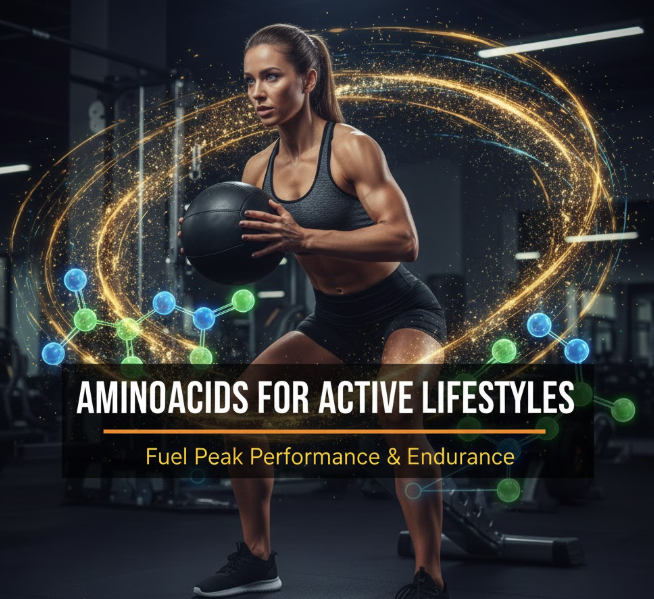
Understanding Amino Acids
Amino acids are the tiny building blocks of protein, but don’t let their small size fool you—they play a huge role in keeping your body active and healthy. Think of them as the gears in a machine; without them, the system can’t run smoothly. Every movement, every step, even just sitting and thinking requires amino acids to repair tissues, make enzymes, and keep your muscles ready for action.
Essential vs Non-Essential Amino Acids
Not all amino acids are made equal. Some, called essential amino acids, must come from your diet because your body can’t produce them. Non-essential amino acids, on the other hand, your body can make on its own. For someone leading an active lifestyle, getting enough essential amino acids is crucial—they help in muscle recovery, energy production, and immune support.
How Amino Acids Support Muscle Recovery
When you exercise, your muscles experience tiny tears. Amino acids step in to repair those tears, which is how muscles grow stronger over time. For example, branched-chain amino acids (BCAAs) like leucine, isoleucine, and valine are particularly important—they reduce muscle soreness and speed up recovery after intense workouts. 🏋️
Boosting Energy Levels Naturally
Amino acids don’t just help with recovery—they’re also essential for energy. Some, like tyrosine, help your body make neurotransmitters that keep your brain alert during long runs or workouts. Others, like arginine, improve blood flow, delivering oxygen to muscles so you can stay active longer without fatigue.
Amino Acids and Joint Health
People often think amino acids are only for muscles, but they are vital for joints too. Glycine, proline, and lysine are crucial for collagen production, which strengthens tendons and ligaments. Maintaining healthy joints means you can keep moving without pain or stiffness, which is key for anyone who loves running, cycling, or weight training.
Amino Acids in Daily Diet
Getting amino acids from food is simple if you know where to look. Animal products like eggs, chicken, fish, and dairy are complete proteins—they contain all essential amino acids. For vegetarians, combining foods like beans with rice or lentils with quinoa ensures you get a full amino acid profile. Here’s a simple table for reference:
| Food Source | Key Amino Acids | Best For |
|---|---|---|
| Chicken breast | Leucine, Isoleucine, Valine | Muscle repair & growth |
| Eggs | Lysine, Methionine, Leucine | Recovery & energy |
| Lentils + Quinoa | Lysine, Threonine, Valine | Vegetarian complete protein |
| Salmon | Tryptophan, Arginine | Heart & joint health |
| Greek Yogurt | Glutamine, Proline | Gut health & muscle repair |
Timing Matters
Not only is the amount of amino acids important, but timing matters too. Consuming protein-rich meals or supplements around your workouts can maximize recovery and muscle growth. A post-workout meal within 30–60 minutes is ideal for replenishing amino acids and jump-starting repair.
Supplements vs Food
While food should be your main source, amino acid supplements can help if you’re on the go, traveling, or have higher activity demands. BCAA powders, essential amino acid (EAA) supplements, or even single amino acids like glutamine or arginine can fill in the gaps. Just remember: supplements support your diet, they don’t replace real food. 🍳🥩
Amino Acids and Mental Focus
Physical activity isn’t just about muscles—it’s also about brain performance. Amino acids like tryptophan and tyrosine influence neurotransmitters such as serotonin and dopamine. This means they can help reduce stress, improve focus, and even boost motivation during tough workouts or competitions.
Signs You Might Be Low on Amino Acids
It’s possible to feel the effects of insufficient amino acids without realizing it. Common signs include:
-
Muscle weakness or slow recovery after exercise 💪
-
Fatigue or low energy throughout the day ⚡
-
Poor concentration or mood swings 🧠
-
Frequent joint pain or stiffness
Amino Acids for Endurance Athletes
Endurance sports like running, cycling, or swimming place a high demand on muscles and joints. Amino acids like BCAAs help prevent muscle breakdown during long sessions, while glutamine supports the immune system, which can be stressed by prolonged activity.
Balancing Your Intake
For an active lifestyle, it’s important to balance amino acids with carbohydrates and healthy fats. Carbs provide quick energy, fats support hormone production, and amino acids repair and build tissues. Together, they create a strong foundation for both performance and recovery.
Table: Recommended Amino Acid Intake for Active Adults
| Amino Acid | Suggested Daily Intake (grams) | Primary Benefit |
|---|---|---|
| Leucine | 2–4 | Muscle protein synthesis |
| Isoleucine | 1–2 | Energy and recovery |
| Valine | 1–2 | Muscle repair and endurance |
| Glutamine | 3–5 | Immune support, gut health |
| Arginine | 3–6 | Blood flow and stamina |
| Lysine | 1–3 | Collagen production |
Practical Tips for Incorporating Amino Acids Daily
-
Start your day with protein-rich breakfast: eggs, Greek yogurt, or a smoothie with protein powder.
-
Include a variety of protein sources: meat, fish, legumes, nuts, seeds, and dairy.
-
Snack smart: protein bars, roasted chickpeas, or nuts provide essential amino acids.
-
Stay hydrated: amino acids work best when your body is properly hydrated.
-
Post-workout nutrition: combine protein and carbs within an hour after training.

FAQs About Amino Acids and Active Lifestyles
Q: Can I get all amino acids from plants?
Yes! But you need to combine different plant proteins to get all essential amino acids. Examples: beans + rice, lentils + quinoa.
Q: Are amino acid supplements safe?
Generally, yes, if taken in recommended doses. Whole food sources are always better, but supplements help when dietary intake is insufficient.
Q: Do amino acids help with weight loss?
Indirectly, yes. They support muscle mass, which increases metabolism, and help reduce fatigue, allowing for more effective workouts.
Q: How much protein should an active person eat daily?
A general guideline: 1.2–2.0 grams of protein per kilogram of body weight, depending on intensity and type of activity.
Q: Can amino acids improve mental focus during exercise?
Yes. Amino acids like tyrosine and tryptophan aid in neurotransmitter production, improving focus and mood.
Final Thoughts
Amino acids are much more than “just protein.” For anyone living an active lifestyle, they are vital tools for performance, recovery, and overall well-being. From building muscle to supporting joints, energy, and brain function, getting enough amino acids is a game-changer. 🍏💪
Eating a variety of foods, focusing on timing, and considering supplementation when needed can make sure your body has all the tools it needs to stay strong, active, and healthy every day. Remember, the small building blocks lead to big results!